 EN
How Solar Powered Water Pumps Work for Off-Grid Water Supply
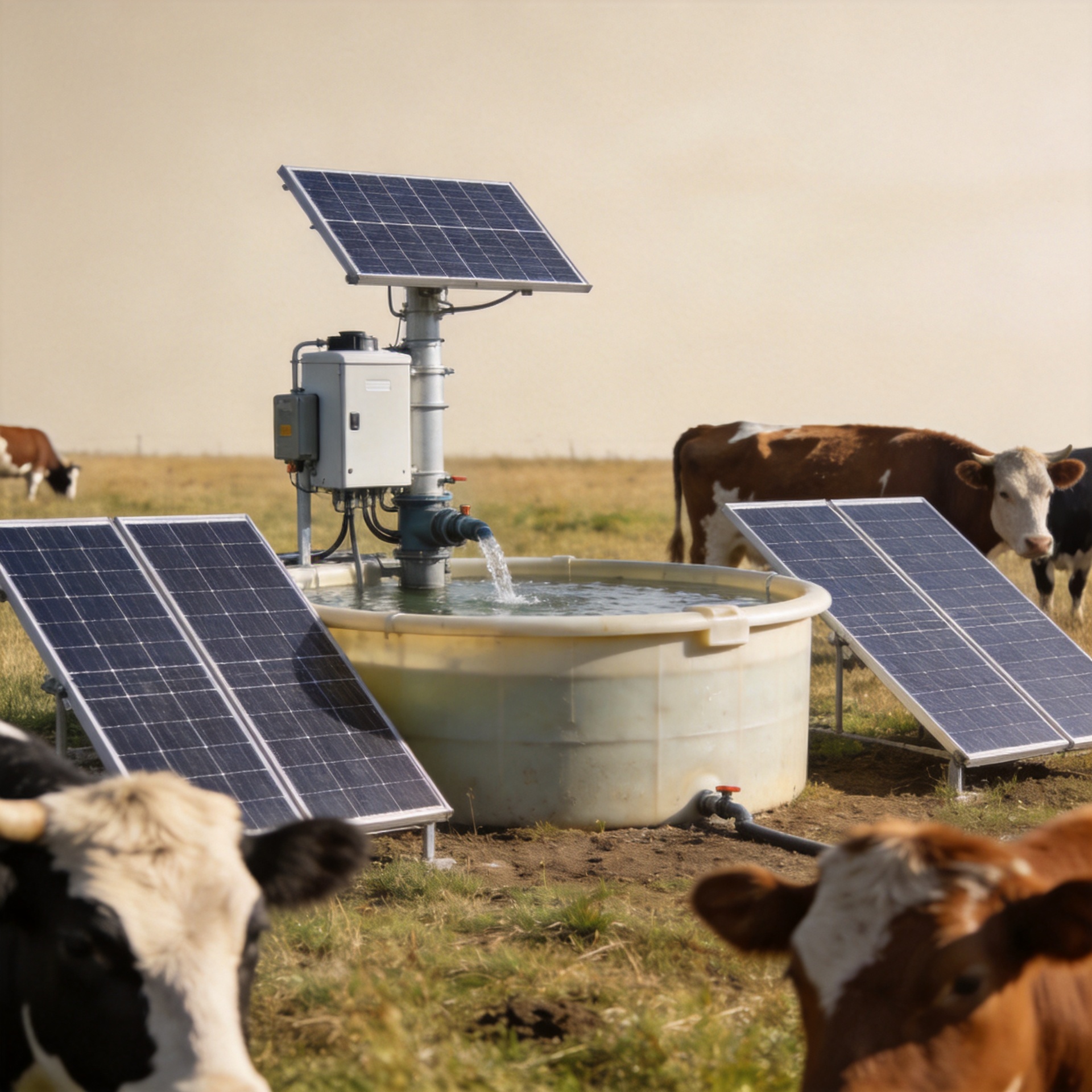
For a farm, livestock area, rural home, or remote community, moving water is often harder than finding water. A solar powered water pump turns available daylight into pumping energy, so a water source can be lifted to a tank or distribution point without a grid connection. The basic idea is simple, but dependable off-grid supply depends on treating the pump as part of a system—not as a stand-alone product.
From an irrigation selection perspective, start with the water point, then the lift, and finally the use point. Many buyers begin with flow rate. That matters, but a solar powered water pump also has to match the water level, pipe run, elevation change, sunlight available through the season, and the amount of stored water needed after the sun is low.
The Basic Energy-and-Water Path
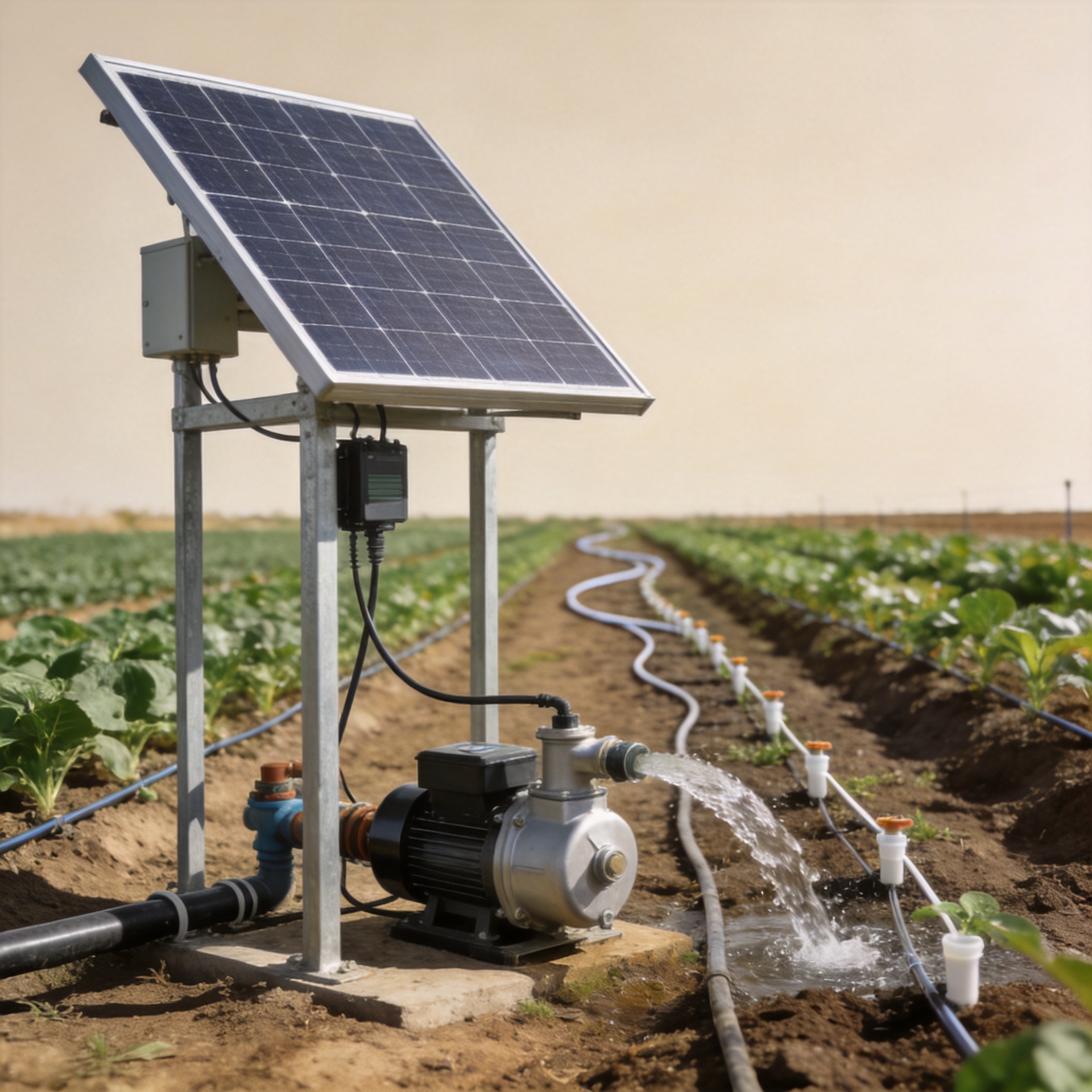
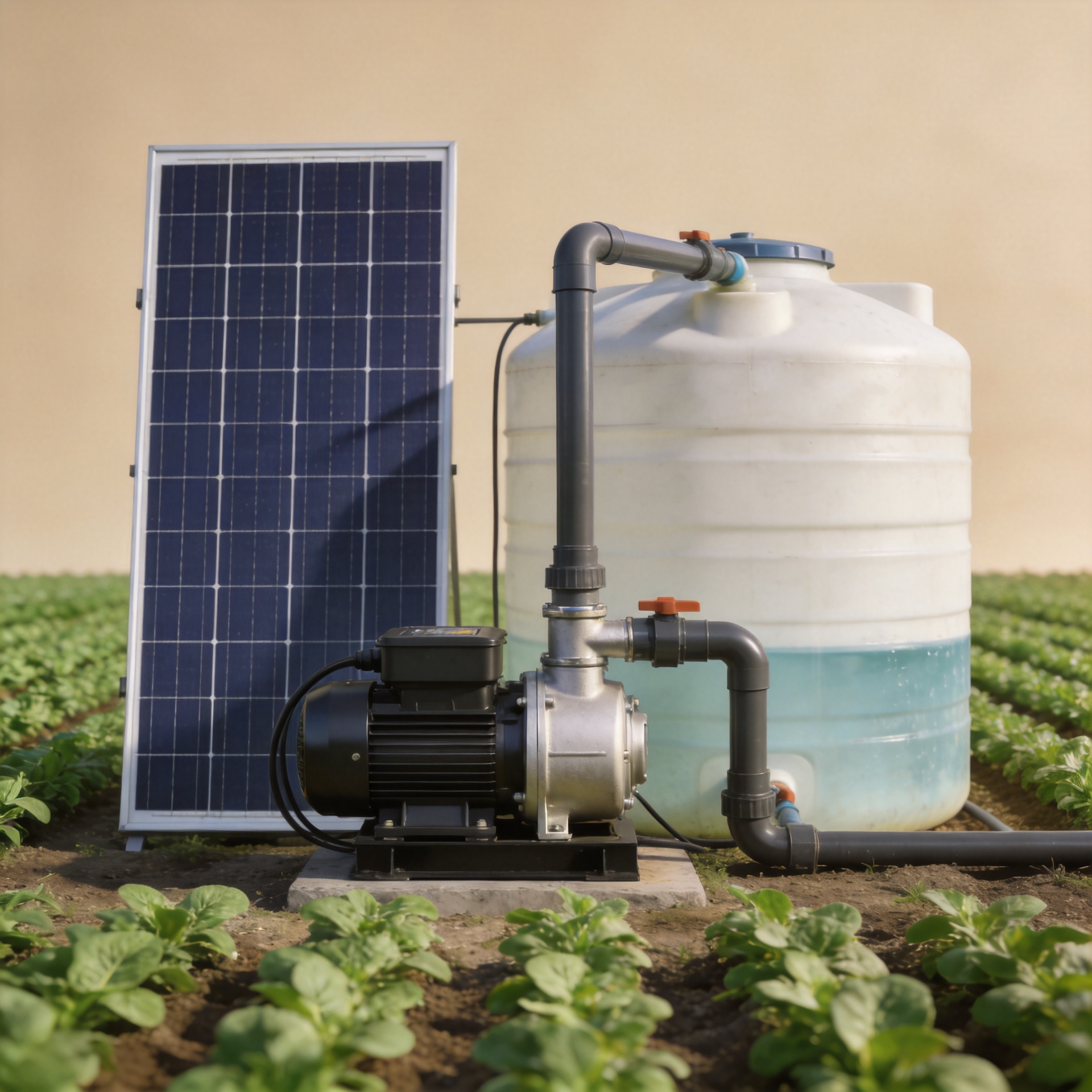
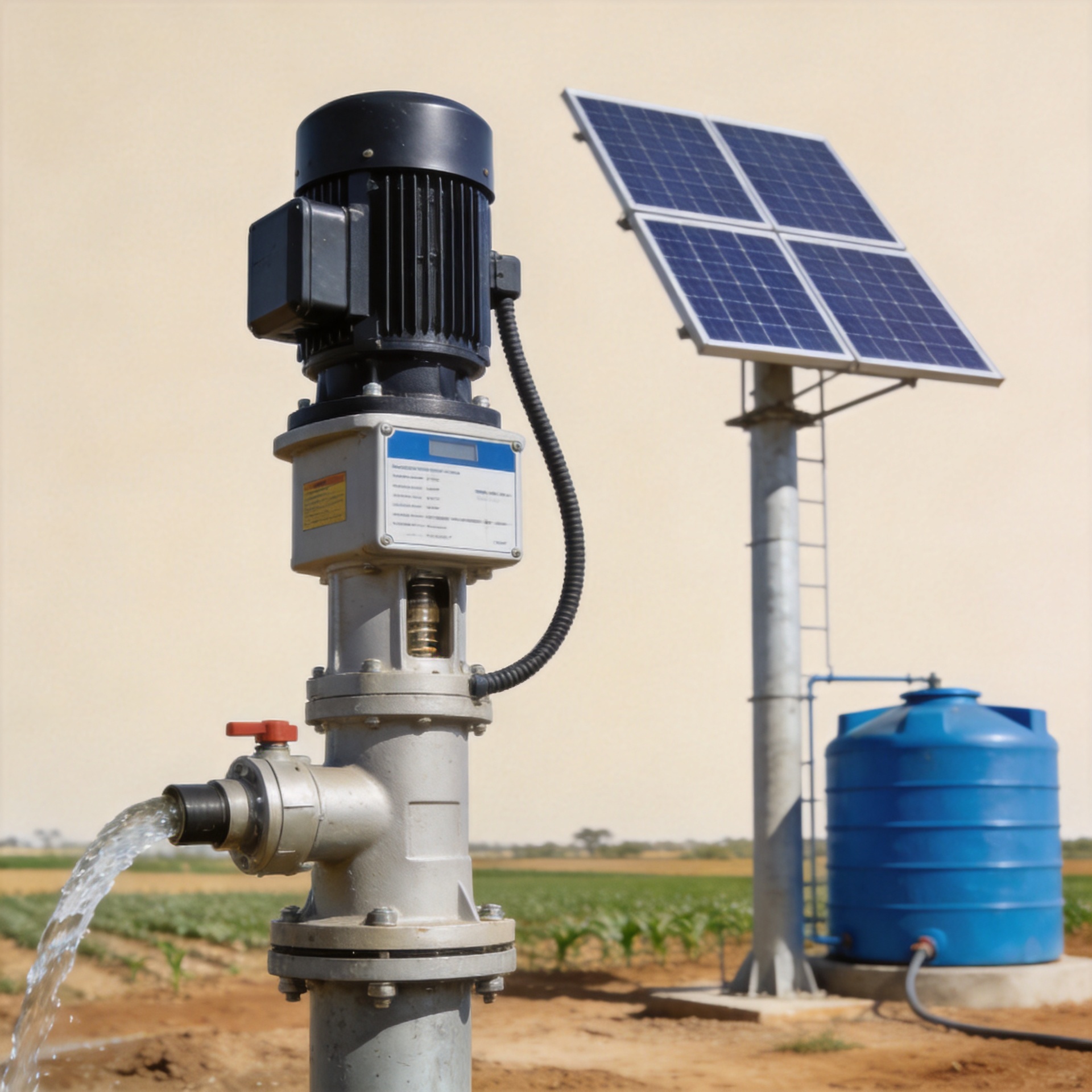
A typical solar pumping system has five working parts: photovoltaic (PV) panels, a controller, a pump, pipework, and water storage or a delivery point. The panels convert sunlight into electricity. A controller manages the power supplied to the motor and may provide operating protection. The pump moves water from a borehole, well, river, pond, or tank through the pipework. In many off-grid layouts, the water is pumped into an elevated or ground-level storage tank before it is distributed.
This storage-first approach is important. Water can be collected while solar input is available and used later for drinking, livestock, washing, or irrigation. Rather than trying to make a solar powered water pump run like a grid-powered pressure system at every hour, the system stores water when energy is present. A float switch or level control can stop pumping when the tank is full and permit pumping again when the stored volume falls.
Why a Controller Matters in a Solar Pump System
Sunlight changes during the day and across seasons. A controller helps the solar pump work with that changing input instead of expecting a constant power supply. Depending on the configuration, it may start the pump when solar conditions are sufficient, limit unsuitable operating conditions, and protect the motor when the water source or storage tank needs attention.
For direct solar pumping, the pump output will generally vary with available sunlight. That is not necessarily a problem when the layout includes a correctly sized tank. In fact, using water storage as the buffer is often simpler than designing a large battery bank solely to run a pump after dark. If overnight pumping is essential, a buyer should state that requirement early so the supplier can assess the full power and storage arrangement rather than assume a standard direct-drive setup will meet it.
Deep Wells: Head Is More Than Well Depth
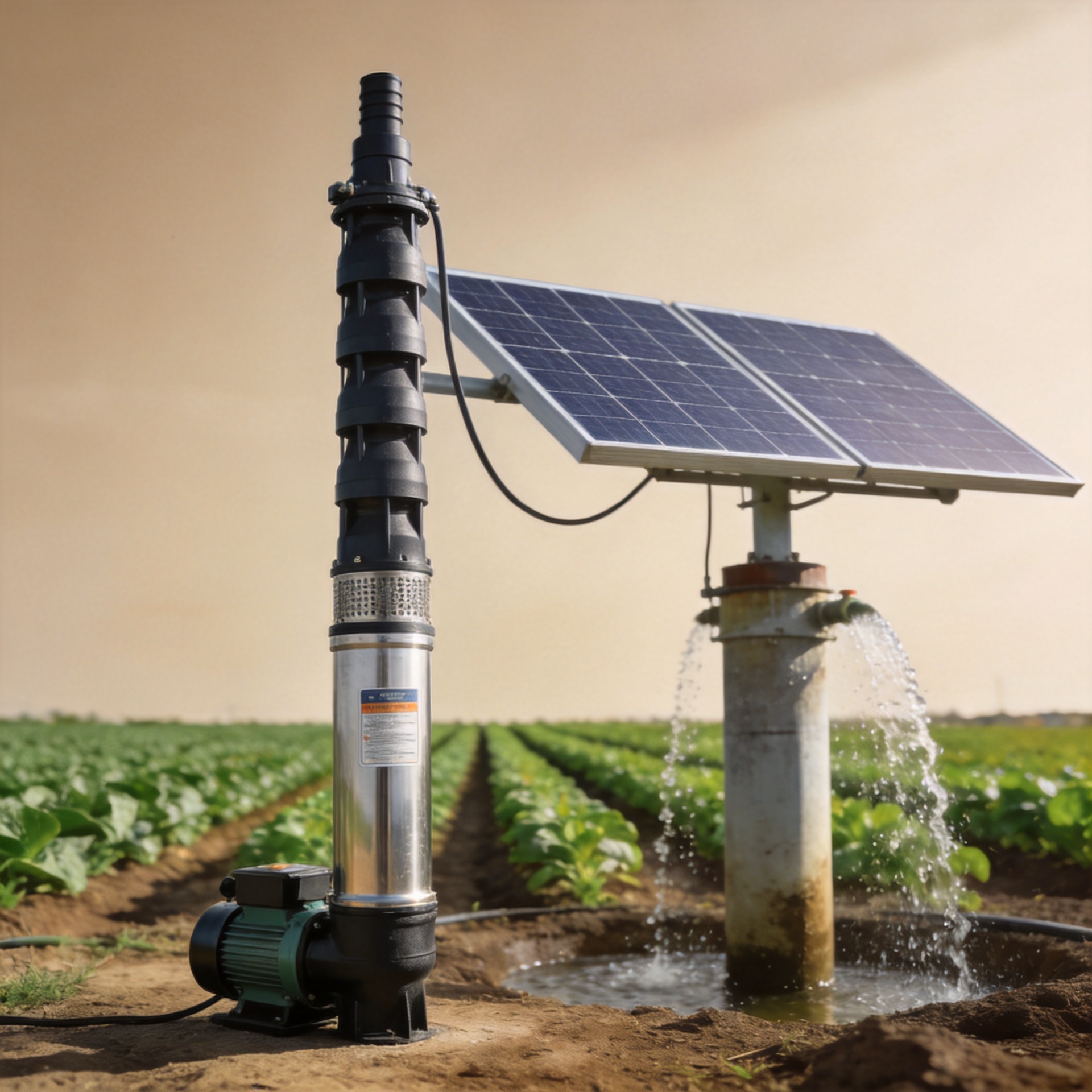
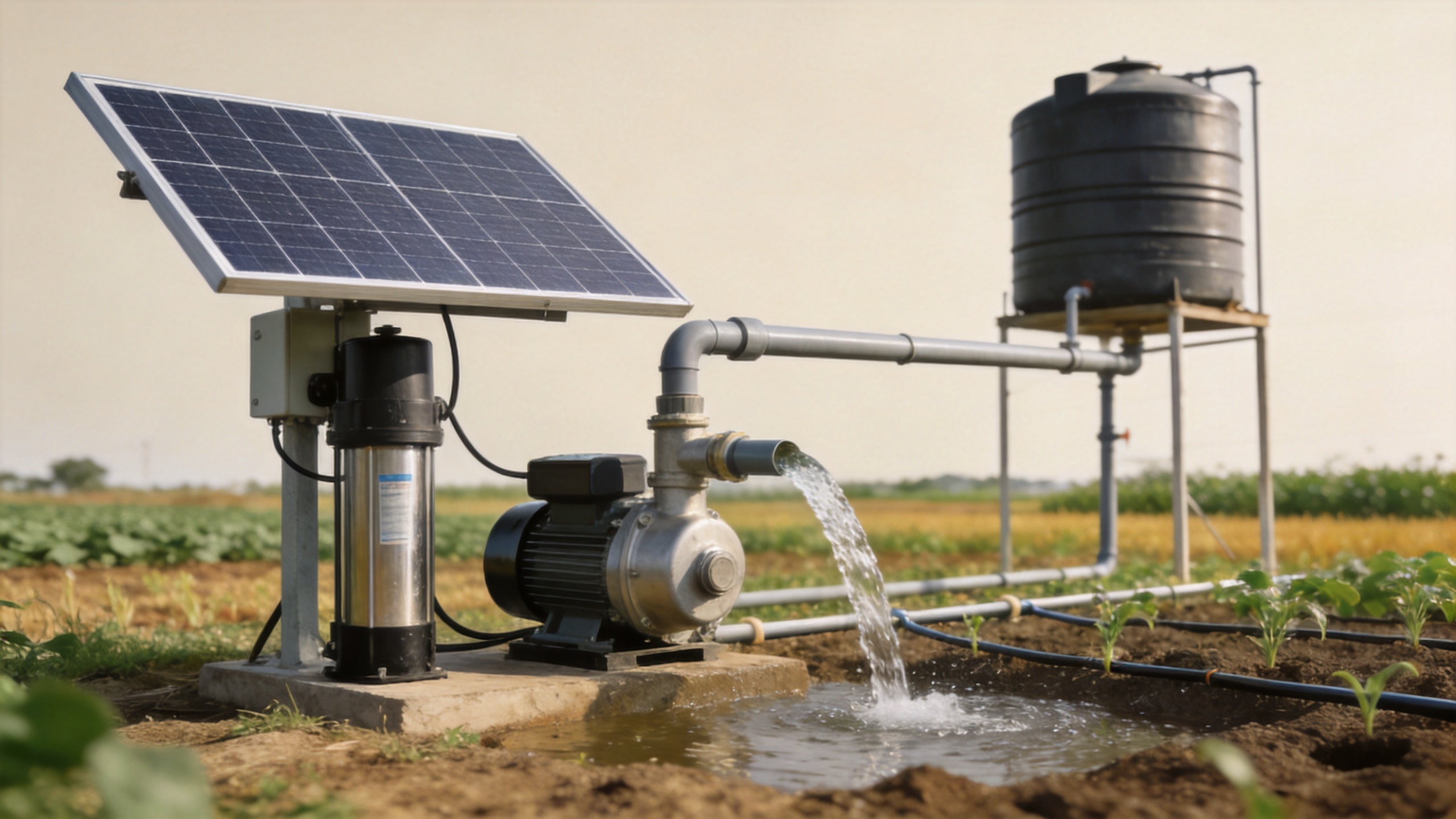
Deep-well installations are a common use case for a solar powered water pump, especially where a borehole is far from utility power. A submersible pump is placed below the water level and pushes water upward. However, the depth of the borehole is not the only number that matters.
System selection should be based on total dynamic head (TDH). TDH includes the vertical lift from the working water level to the outlet, plus pressure or elevation needs at the delivery point and friction losses in pipe and fittings. If the water level drops seasonally, selection should use the more demanding operating condition. Long pipe runs, undersized pipe, elbows, valves, and a raised storage tank can all add to the work the pump must do.
That is why a pump curve should be read against both required flow and TDH. A model may move an attractive volume at a low lift but deliver much less water when the actual head increases. Before choosing a solar powered water pump, collect the static water level, expected drawdown if known, discharge height, pipe length and diameter, desired daily volume, and the most demanding season for water demand.
Match Daily Water Demand to Daylight and Storage
For an awareness-stage project, a useful first question is not “Which pump should be selected?” but “How much water must be available each day?” Estimate daily use at the outlet: irrigation zones, livestock troughs, household taps, or a communal standpipe. Then identify when the demand is highest. In many agricultural settings, peak water demand and strong sunlight occur in the same season, but a year-round system should still be checked against lower-sun conditions.
The panel array is then sized around the pump duty, solar resource, and expected losses. Dust, heat, cable losses, and changing sun angles can affect real-world output, so selection should include an appropriate design margin rather than rely only on a panel nameplate figure. Storage capacity should bridge normal use during cloudy periods and the hours when the pump is not producing. The correct number of days of storage depends on the local solar pattern, criticality of supply, and available budget; it should not be copied from an unrelated project.
A Practical Off-Grid Layout
Imagine a borehole supplying a remote farm. PV panels are mounted where shading is limited. Their output feeds the controller, which powers a submersible pump in the well. Water travels through a rising main to a tank located high enough to support gravity distribution where practical. The tank level control manages pumping, while a filter or appropriate intake protection is considered based on water quality and pump requirements. From the tank, water can feed irrigation lines, troughs, or a separate pressure-boosting stage if the application requires it.
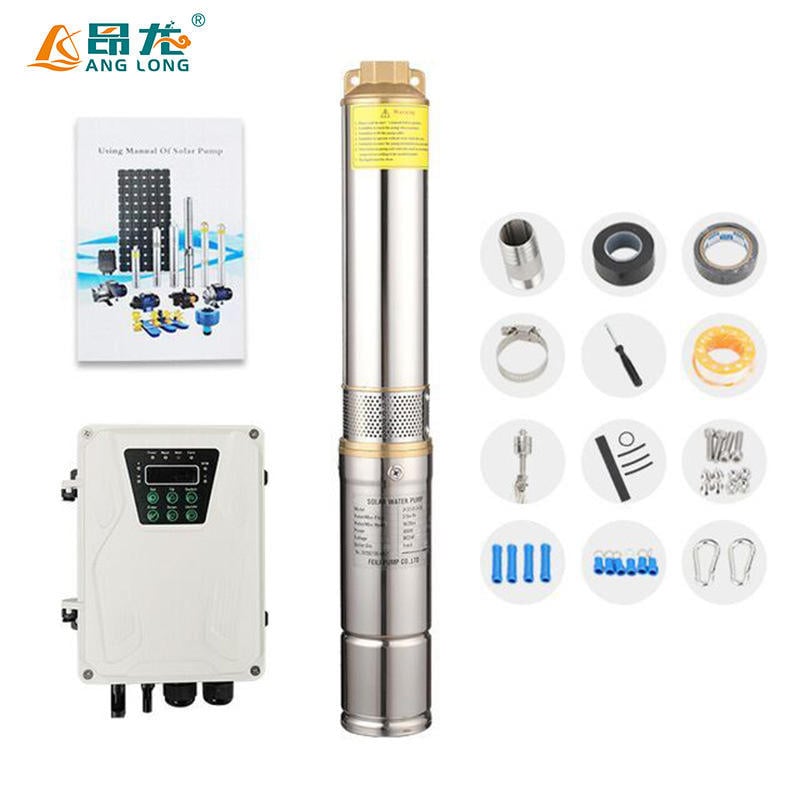
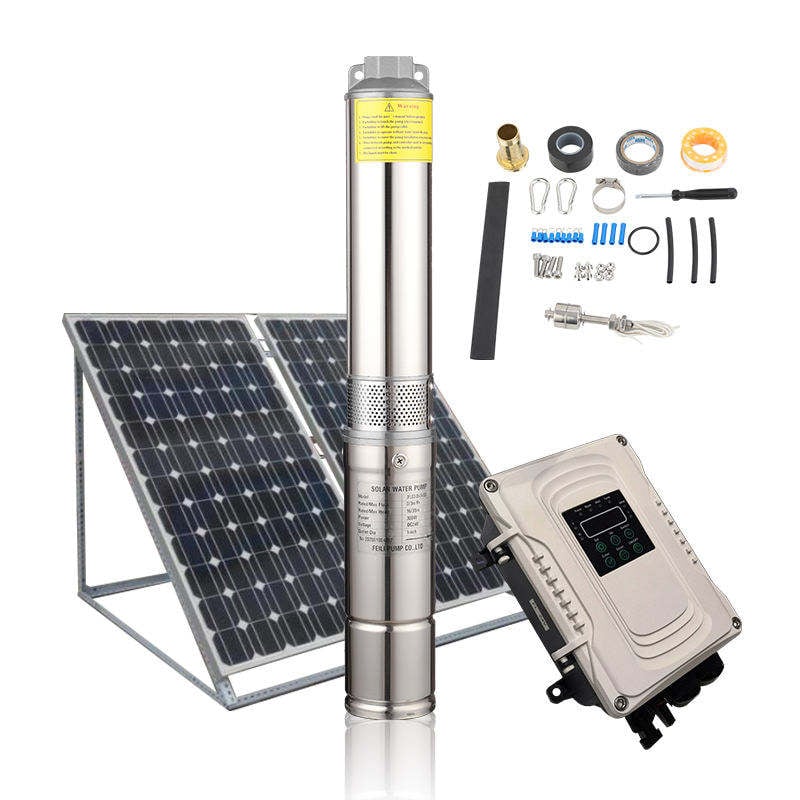
For buyers looking at a deep-well option, this 3 Inch Agriculture Solar Water Pump Deep Well Submersible Screw Water Pump For Home can serve as a product-page starting point. Final suitability still needs to be checked against the project’s actual flow, head, water conditions, and PV arrangement.
Information to Prepare Before Requesting a Quote
- Water source type and the working water level, not only the total borehole depth.
- Required daily water volume and the desired delivery schedule.
- Vertical lift to the tank or outlet, plus pipe length, diameter, and major fittings.
- Whether water will be stored, pressurized directly, or both.
- Installation location, seasonal solar conditions, and any shading constraints.
- Water quality details, especially if sand, sediment, or corrosive conditions may affect pump selection.
With these details, a supplier can translate the application into a pump duty point and a more realistic solar configuration. That reduces the risk of a system that looks adequate on paper but does not replenish the tank during the conditions that matter most.
Key Takeaway
A solar powered water pump makes off-grid water supply possible by combining PV power, controlled pumping, suitable pipework, and water storage. The most dependable designs begin with daily demand and total dynamic head, then match the pump and solar input to those conditions. For remote water projects, this system-level view is more useful than selecting a pump from flow rate alone.