 EN
Off-Grid Solar Water Pump Maintenance: Checks for Reliable Farm Water Supply
An off grid irrigation system earns its value when water arrives consistently at fields, storage tanks, and livestock points without relying on the utility grid. That reliability is rarely about one component alone. It depends on the water source, intake, pump, pipework, storage, solar array, controls, and the way demand changes through the season.
From a maintenance-planning viewpoint, the practical question is not simply whether the pump starts today. It is whether the full water path can be inspected safely and whether early warning signs are being recorded before a dry period makes them urgent. The checks below are a framework, not a substitute for the service instructions supplied for a specific pump, controller, or well installation.
Start With the Water Path, Not the Pump Alone
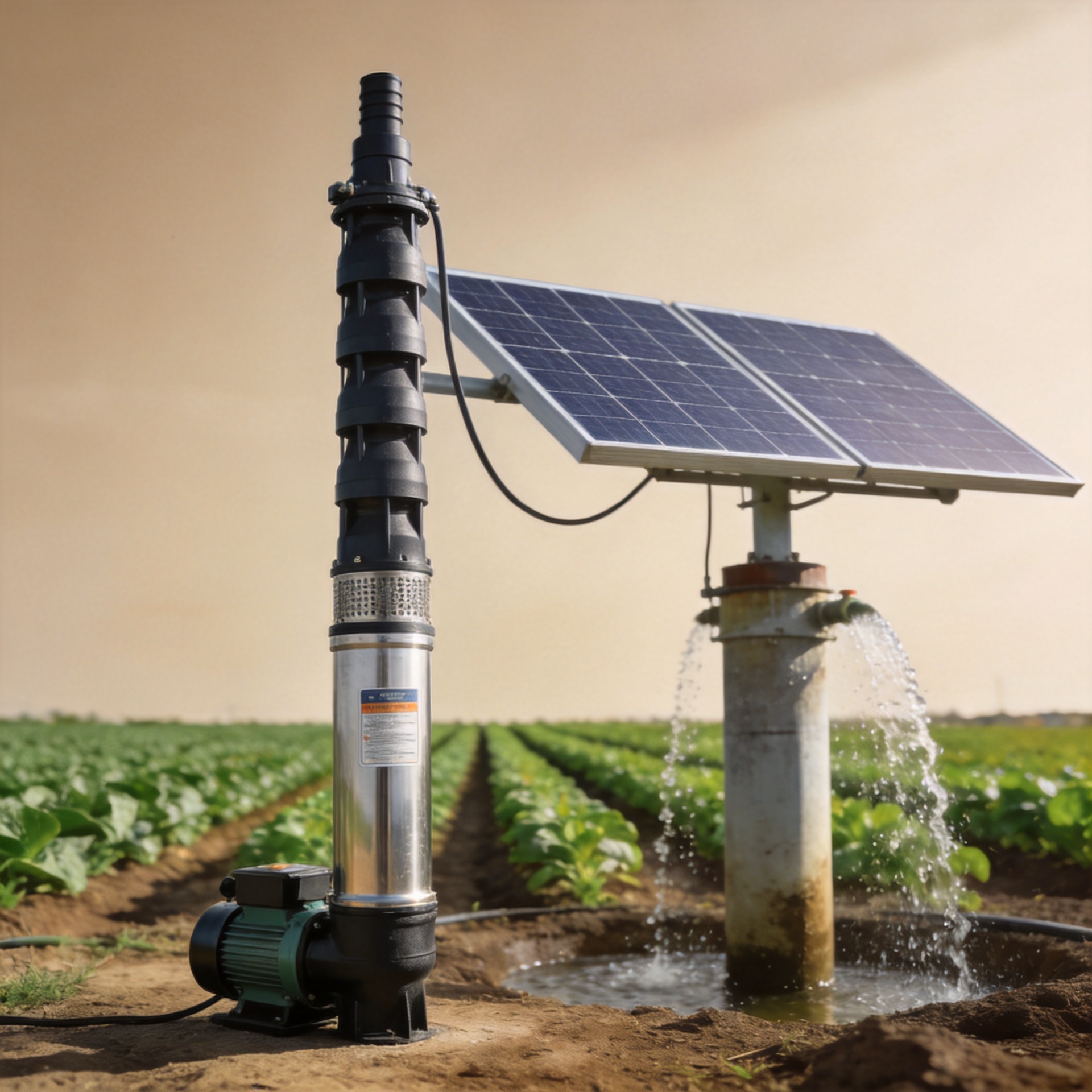
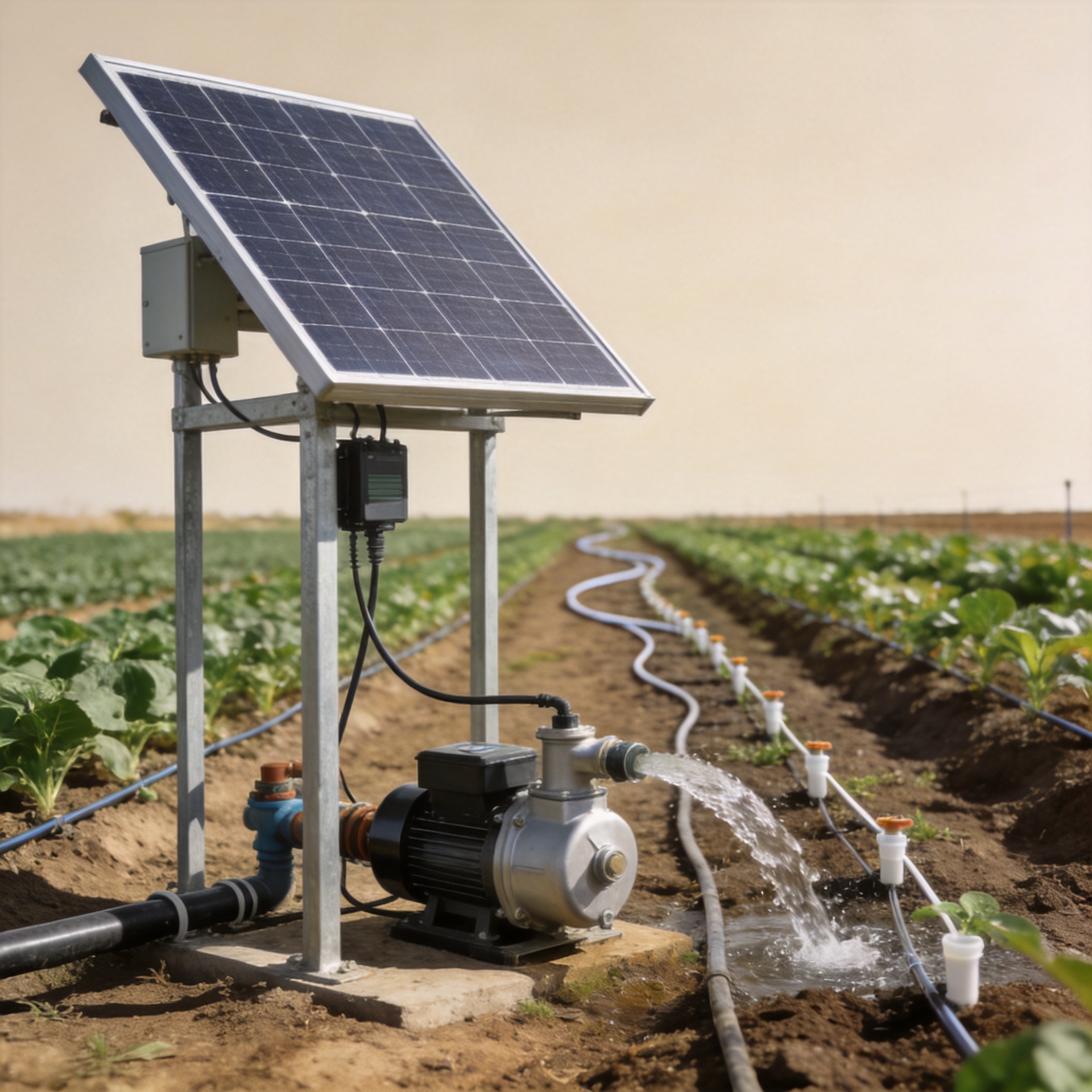
For an off grid irrigation system, begin at the source and trace water all the way to the final outlet. Look at the well, pond, borehole, or storage source; then review the intake, screen or filter, delivery line, valves, tank, and irrigation branches. A reduced flow complaint can originate at any point in that path, so treating it only as a motor problem can waste time.
Check whether the intake area has accumulated leaves, sediment, algae, or other debris that can restrict water entry. If the system uses a filter or screen, inspect it according to the equipment documentation and the actual water quality. A clear-looking pipe route can still have a partially closed valve, a damaged fitting, or a leak that becomes obvious only while the pump is running.
- Walk the exposed pipe route and look for wet soil, drips, rubbing points, loose supports, or sun-damaged fittings.
- Confirm that isolation valves and non-return valves are accessible and in their intended position.
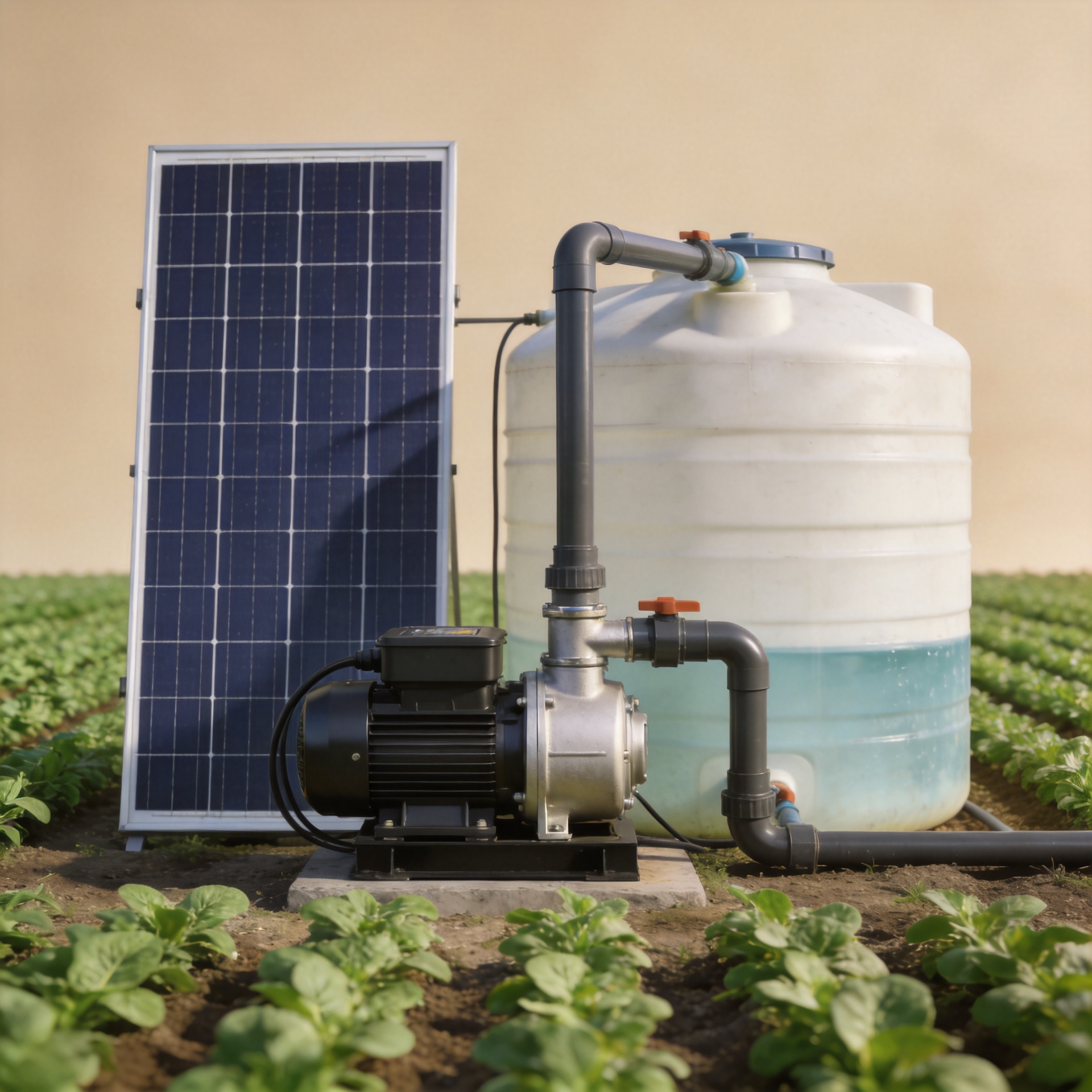
- Observe the tank inlet and overflow during a normal pumping cycle instead of assuming stored water is reaching the tank.
- Record changes in flow, runtime, and water level so the next inspection has a useful comparison.
This approach also supports solar water irrigation: distribution losses can make a healthy solar pump appear undersized, especially when several zones are opened at once.
Inspect Solar Collection and Electrical Connections Safely
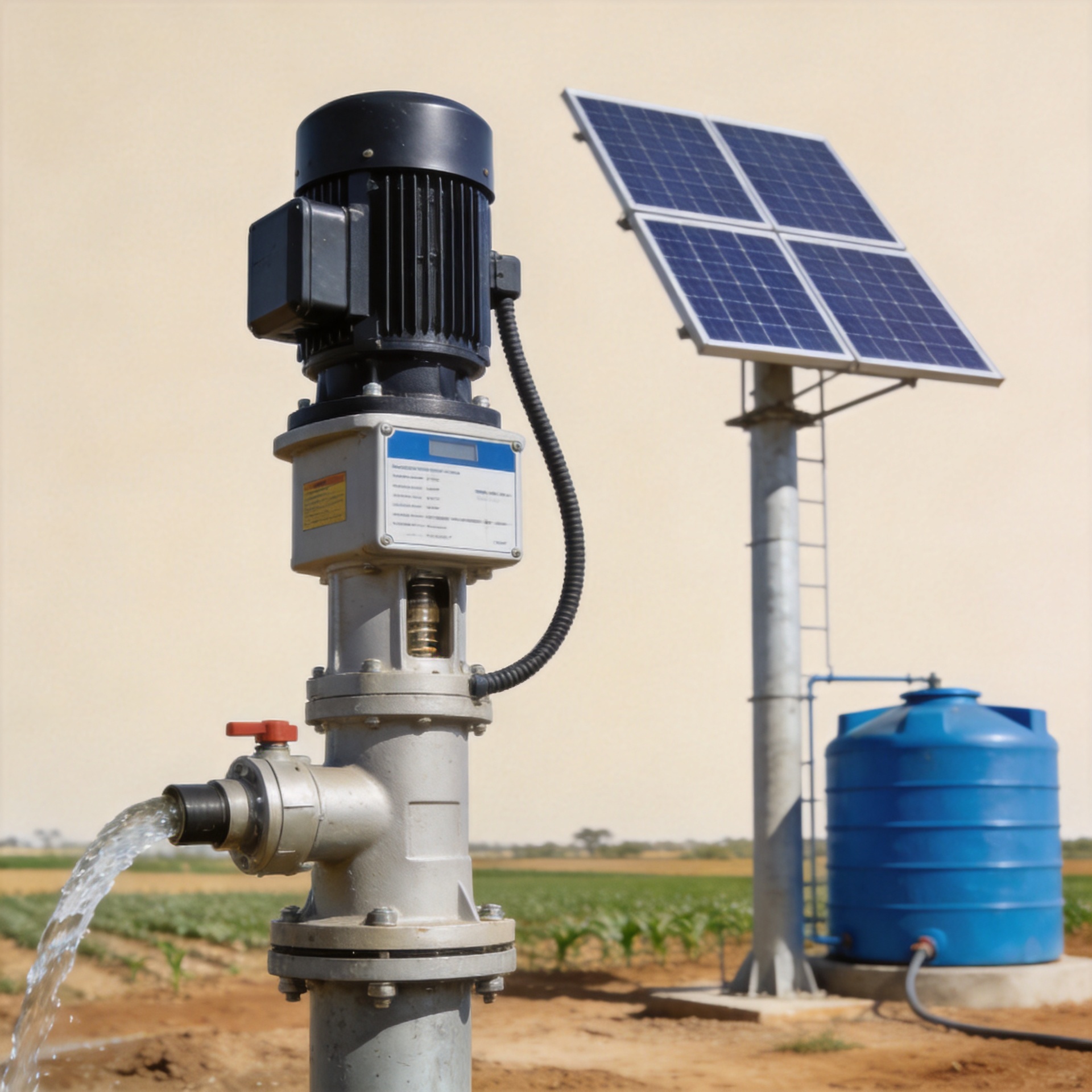
Solar collection is part of the maintenance plan, not a background detail. Dust, bird droppings, leaves, or seasonal shading can reduce the energy available to an off grid irrigation system. During a routine visual inspection, look for obvious soiling, new shade from crops or structures, and physical damage to the panel frame or mounting hardware.
Many solar-pump maintenance resources also emphasize checking wiring and electrical connections. Keep this check visual unless the appropriate person is qualified and the installation instructions allow further work. Look for damaged cable insulation, loose-looking conduit, corrosion around exposed connection areas, and signs that animals or farm activity could rub or crush a cable. Do not open energized electrical enclosures or bypass a controller to “test” performance.
Panel cleaning needs vary with dust, rainfall, and the local environment. Use the cleaning method and safety precautions specified by the panel manufacturer. The goal is to remove ordinary surface soiling without creating a fall, electrical, or surface-damage hazard.
Check Pump Operation Against Real Farm Demand
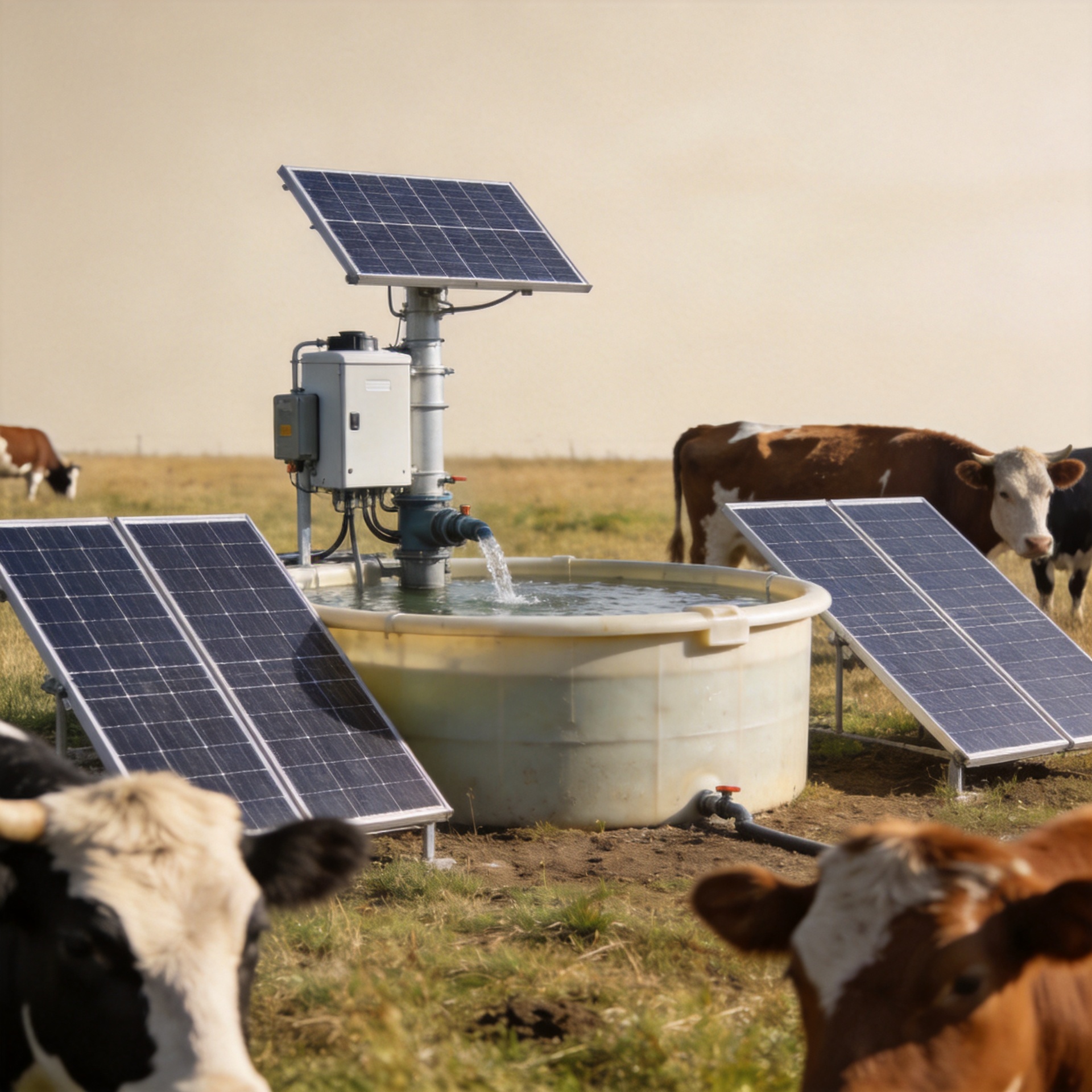
A successful run on a mild day does not prove every seasonal condition is covered. That matters for irrigation schedules and for solar water pump livestock applications, where a water interruption may affect animal welfare as well as farm operations. Review what changes at peak demand: longer daylight may increase solar input, while hotter conditions can also increase irrigation or drinking-water needs.
During normal operation, note whether the pump cycles unusually often, runs without a visible rise in tank level, loses flow at certain outlets, or stops at a repeatable time of day. These are observations, not a remote diagnosis. Compare them with the controller display, water-level arrangement, pressure setting, and manufacturer documentation before deciding on a corrective action.
| Check area | What to observe | Why it matters |
|---|---|---|
| Water source | Seasonal level, sediment, intake condition | Source conditions affect how much water can reach the pump. |
| Storage | Tank level, overflow, float or level-control response | Stored water buffers changing solar input and demand. |
| Distribution | Leaks, valve position, zone-by-zone flow | Losses or restrictions can mimic a pumping issue. |
| Solar array | Soiling, shading, mounting condition | Available solar energy influences operating time. |
| Controls | Visible alarms, cable condition, repeatable behavior | Patterns help a technician or supplier assess the system. |
Use a Simple Seasonal Inspection Routine
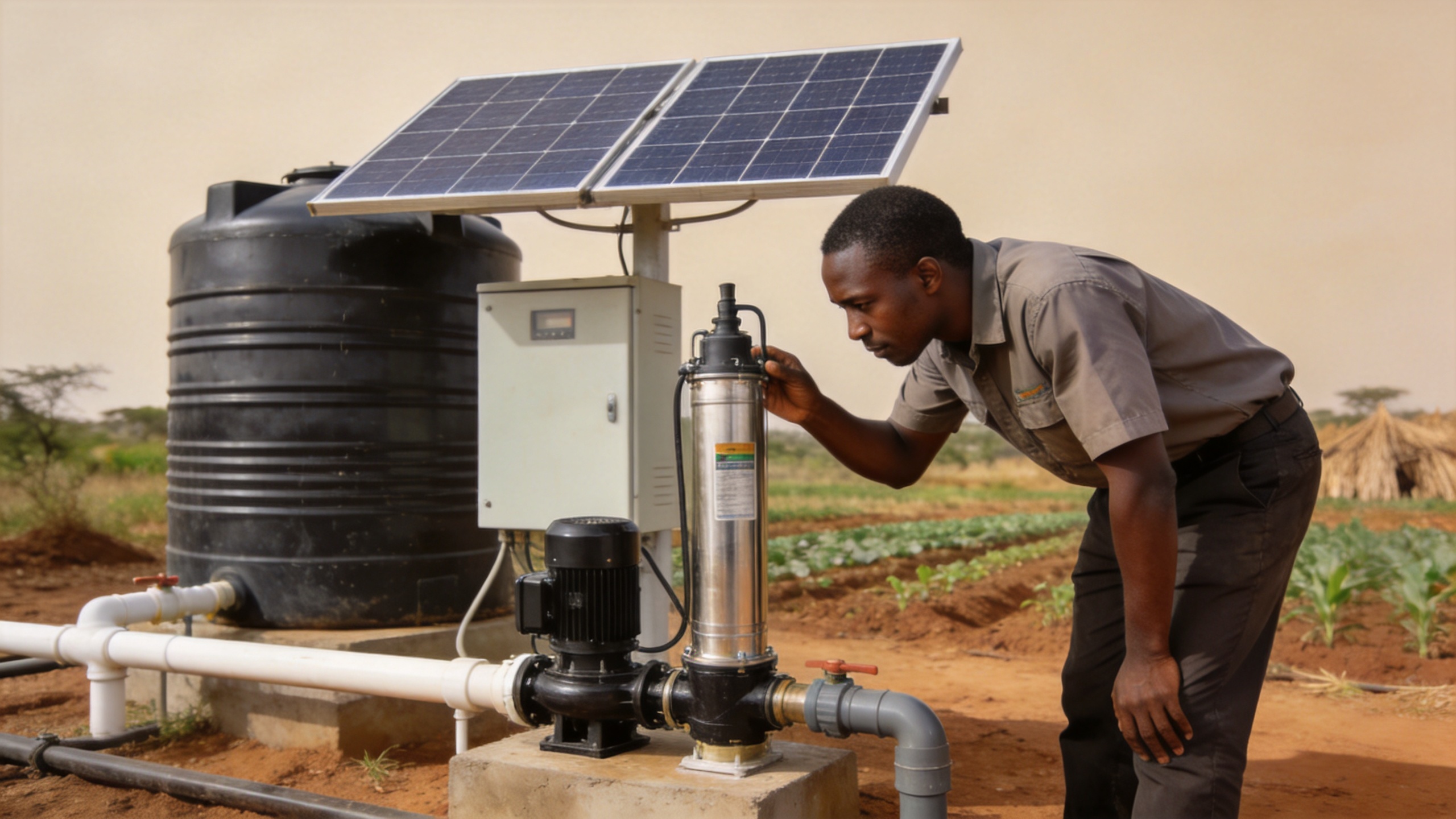
A fixed interval is not appropriate for every installation. Water quality, dust, livestock activity, crop cycles, and access conditions all matter. Instead, set a site-specific routine around low-demand checks, pre-season preparation, and peak-season observation. For a critical off grid irrigation system, it is sensible to increase attention during the months when irrigation or livestock demand is highest.
Before the high-demand season
Inspect the water path, clean or service screens only as the documented procedure permits, confirm the tank and overflow arrangement, and make sure the solar array is free of obvious new shade. Review spare-part availability and the contact route for technical support. This is also a good time to verify that anyone responsible for daily observation knows what normal water level and run behavior look like.
During operation
Use short visual checks: water reaching storage, clean intake conditions, no visible leaks, panels without unusual shading, and no unexplained controller indication. A log can be simple—date, weather, observed flow, tank level, and any alarm or noise. The value is in spotting a change, not in creating paperwork.
After the season or before extended downtime
Follow the pump supplier’s preservation instructions for the specific water source and climate. Protect exposed pipework and electrical components where needed, and document any condition that should be resolved before the next season.
When to Escalate Rather Than Keep Adjusting
Stop relying on routine checks alone when there is damaged wiring, repeated controller alarms, a sudden and unexplained loss of water, structural damage to the solar array, a suspected dry-running condition, or a safety concern around the well or pump access. These conditions need review against the applicable documentation and, where appropriate, a qualified technician.
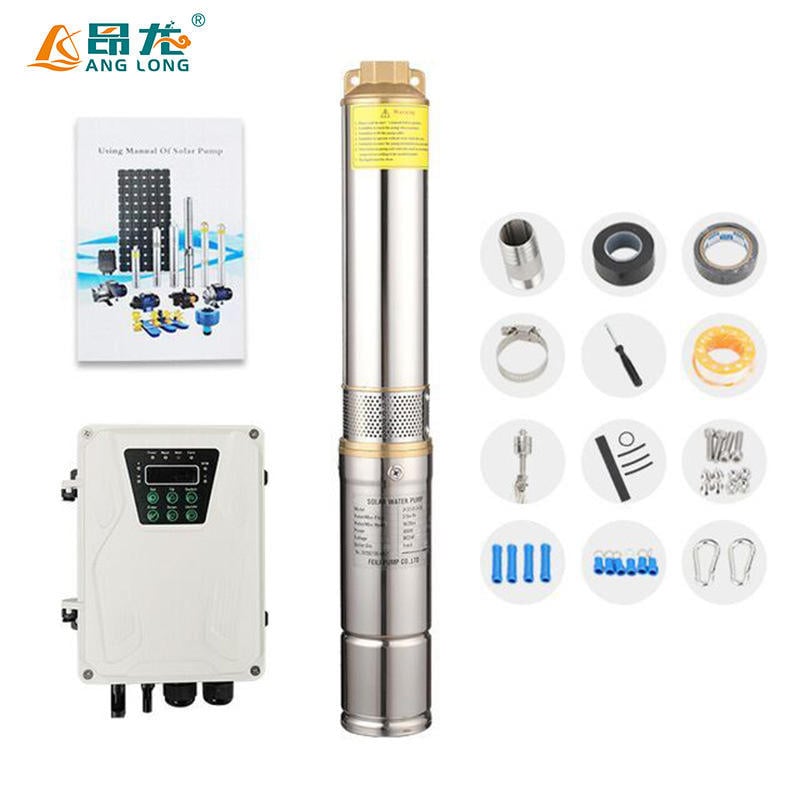
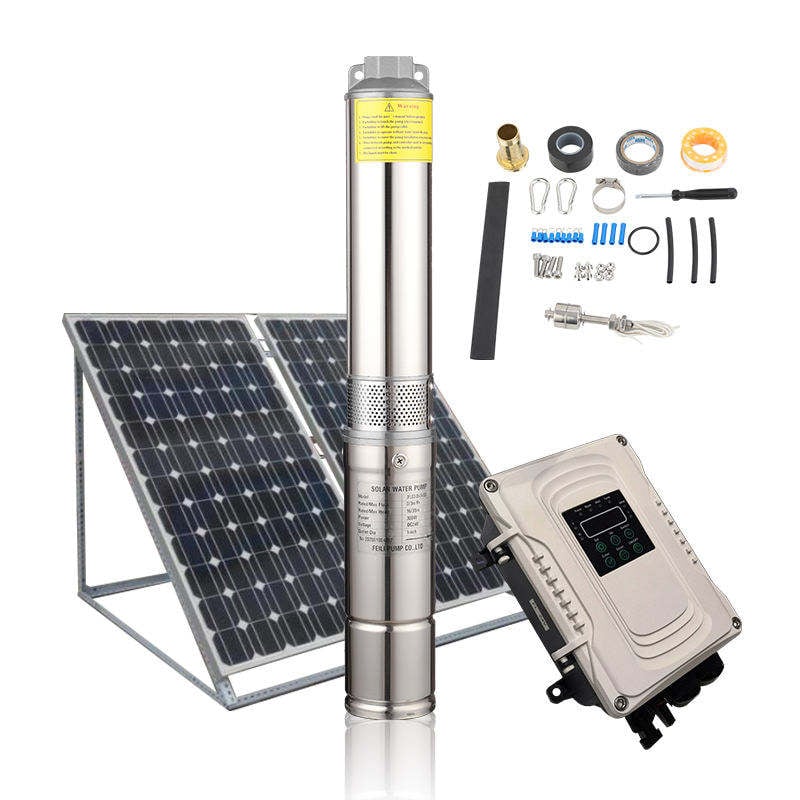
For farms assessing equipment options, the product page for the Angdong AC/DC Solar Booster Water Pump for Agriculture can be used as a starting point for requesting the relevant specifications and service information. Confirm the actual duty, water source, installation depth, controls, and maintenance requirements before treating any model as a final fit.
Keep Reliability Visible
Reliable solar water irrigation is built from small, observable checks: clear water entry, sound pipework, working storage, available sunlight, protected connections, and a routine that adapts to the farm calendar. Keep recommendations conditional, record what changes, and use the equipment documentation whenever a check moves beyond ordinary visual maintenance. That helps an off grid irrigation system remain ready to supply water when farm demand rises.