 EN
Solar Irrigation Systems: Questions to Ask Before Buying
Buying solar irrigation systems is not simply a matter of choosing a pump and adding panels. For a farm, distributor, or project buyer, the reliable starting point is a clear set of duty conditions: where water comes from, how much must move, how high it must travel, and when crops need it. That said, the next question is whether the proposed configuration documents those conditions rather than merely listing components.
A solar powered irrigation system can be a practical option where grid power is unreliable or operating costs need closer control, but suitability depends on the full water-and-energy path. The questions below help procurement teams compare solar irrigation systems on scope, technical fit, and service readiness before placing an order.
1. What water source will the system actually use?
Ask the supplier to begin with the source, not a model number. Is water drawn from a borehole, open well, river, reservoir, tank, or canal? Request the static water level, expected drawdown for a well, seasonal water-level variation, and water quality information. Sand, sediment, salinity, and debris can affect the intake arrangement, filtration needs, and maintenance plan for solar irrigation systems.
Also ask where the water will be delivered. A field close to a storage tank has a different duty from a remote plot served by a long pipeline. The useful outcome is a source-to-field sketch with elevations, pipe lengths, diameters, fittings, and intended outlets. Without it, a quote for solar irrigation systems may not represent the working installation.
2. What daily water volume and flow rate are required?
Ask for the crop area, irrigation method, watering frequency, peak-season demand, and number of zones that may operate at the same time. Drip lines, sprinklers, and flood-style distribution impose different flow and pressure requirements. Rather than asking only, “What pump size do I need?”, ask the supplier to state the required flow rate in the same units used in the quotation and to show the expected operating point.
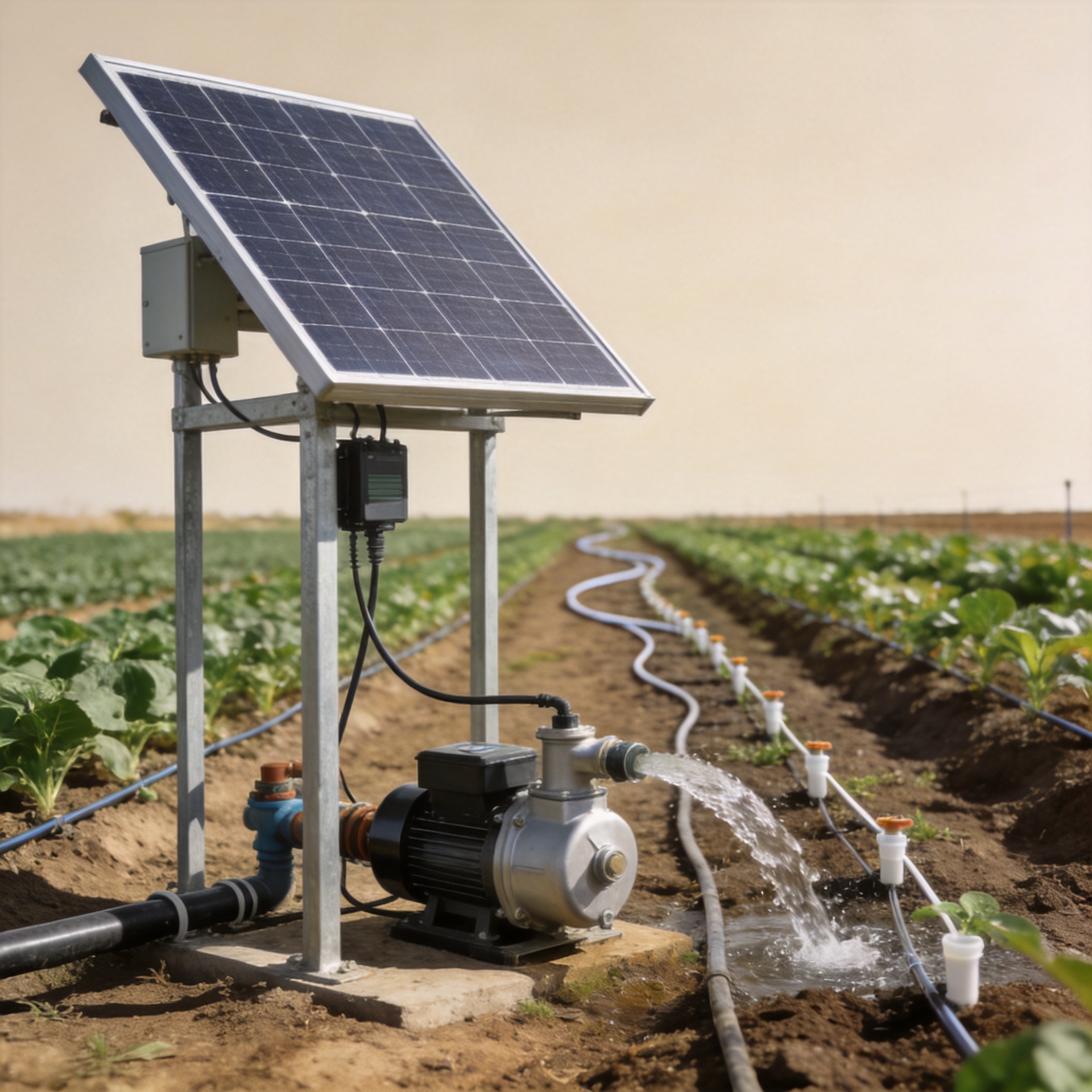
This is especially important when comparing solar irrigation systems for wholesalers or project packages. A pump that looks adequate on a catalog page may be unsuitable if the required flow must be delivered across several zones at once. Ask whether the design assumes sequential zone operation, and whether a controller or valves are included in the stated scope.
3. How is total dynamic head calculated?
Total dynamic head, often shortened to TDH, is the combined lift and resistance the pump must overcome. Practical sizing guidance commonly treats it as static lift plus drawdown or additional lift, together with friction losses in pipework. Ask for a written TDH calculation that shows each assumption: water level, tank elevation, field elevation, pipe run, pipe diameter, fittings, filters, and required outlet pressure.
For solar irrigation systems, this question protects against a common planning error: comparing pumps only by a headline maximum head or maximum flow. Those values are not necessarily delivered together. Request the pump curve and ask the supplier to identify the expected flow at your calculated head. If the answer is vague, pause the comparison until the duty point is confirmed.
4. What solar resource and operating window does the design assume?
Solar input changes with season, weather, location, panel orientation, dust, and shading. Ask which solar irradiation assumptions support the proposed panel array, where panels will be placed, and whether shading has been reviewed at the installation site. A solar water-pumping design should explain how the pump operates across the available daylight window, not only at peak noon output.
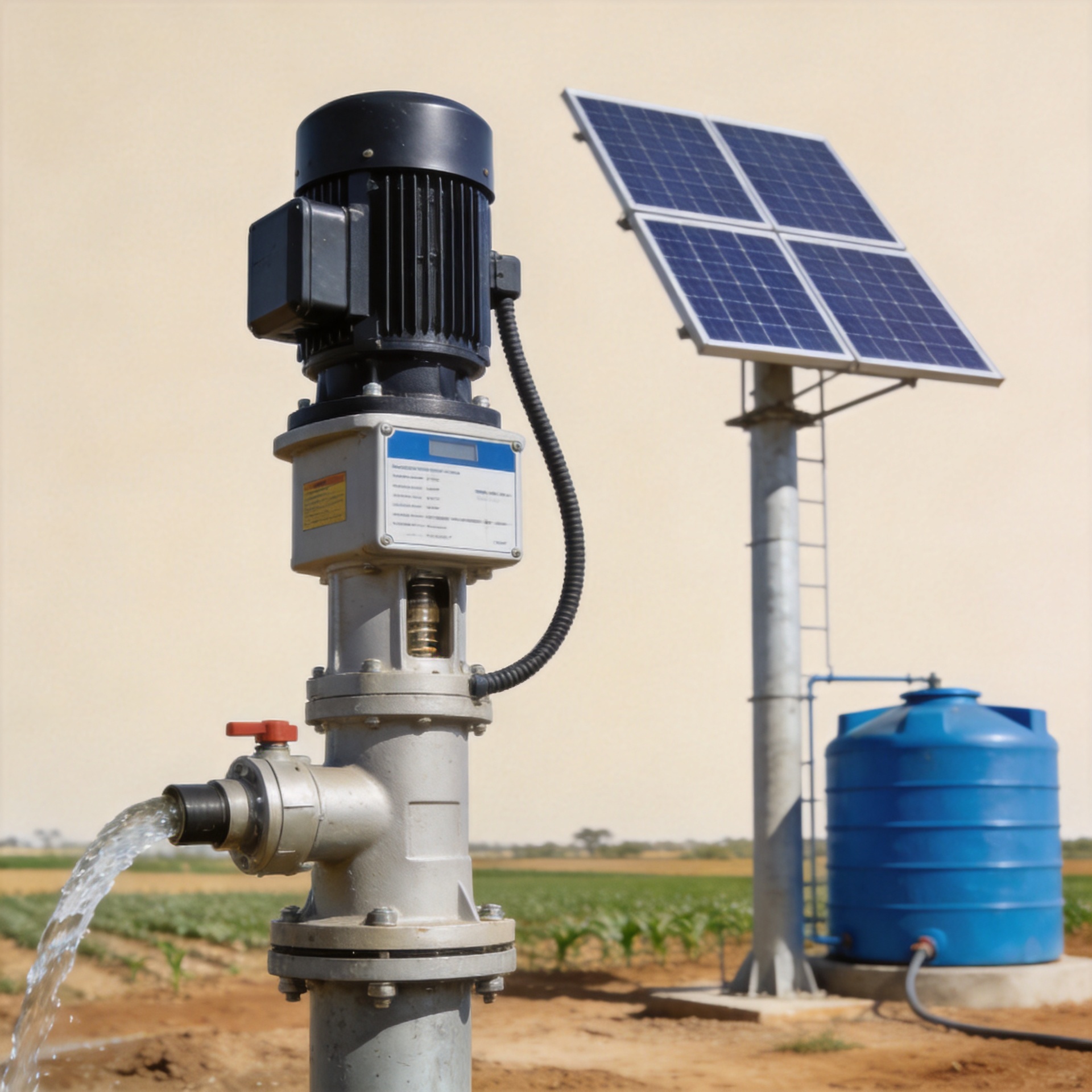
This matters because irrigation demand and solar production can occur on different schedules. One FAO search result notes that irrigation schedules can extend much longer than the typical daily solar operating window. Ask how the supplier addresses that mismatch: by scheduling irrigation, using a larger storage tank, using batteries, or combining methods. A robust discussion of solar irrigation systems makes the chosen trade-off explicit instead of promising uninterrupted output under every condition.
5. Is water storage, battery storage, or direct pumping the better configuration?
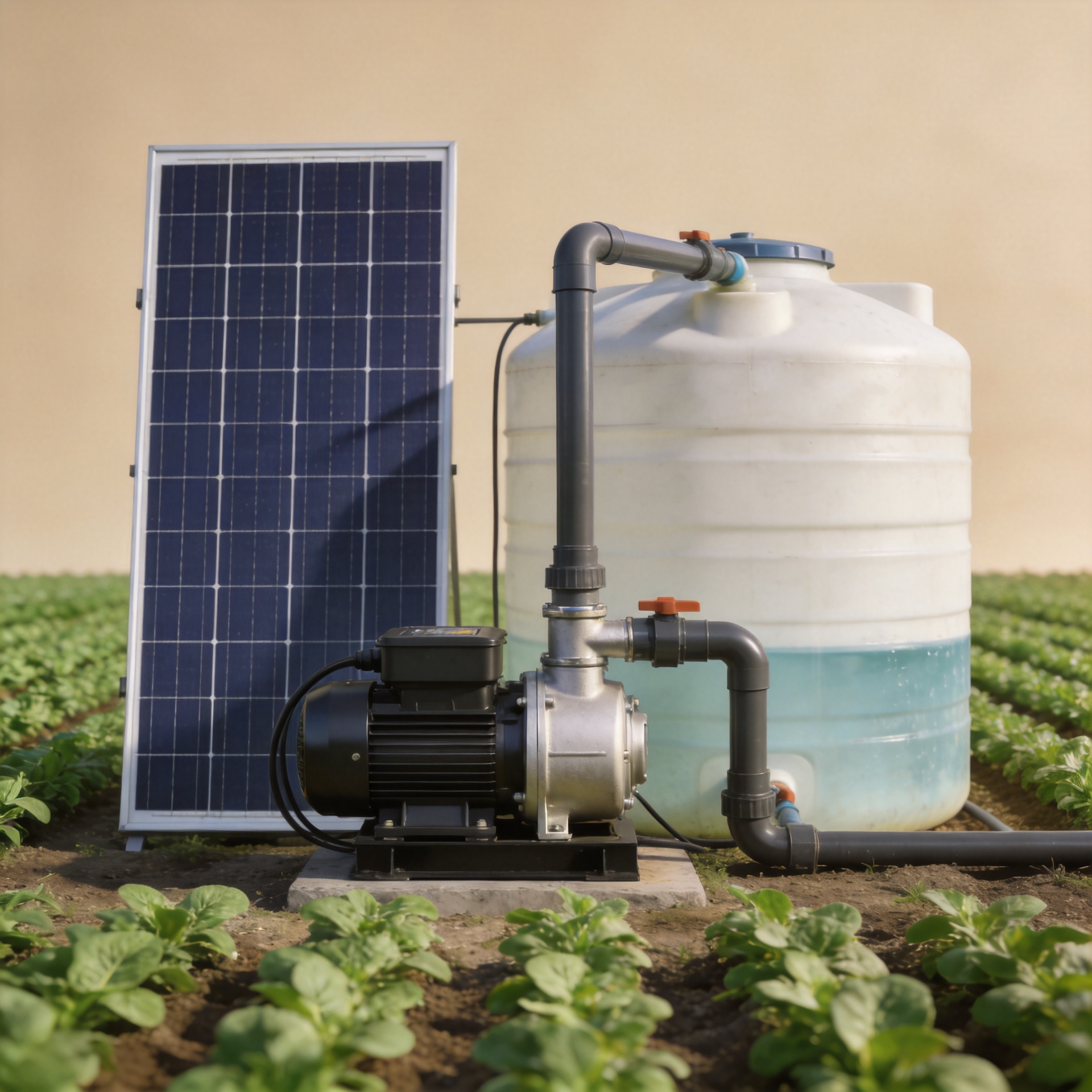
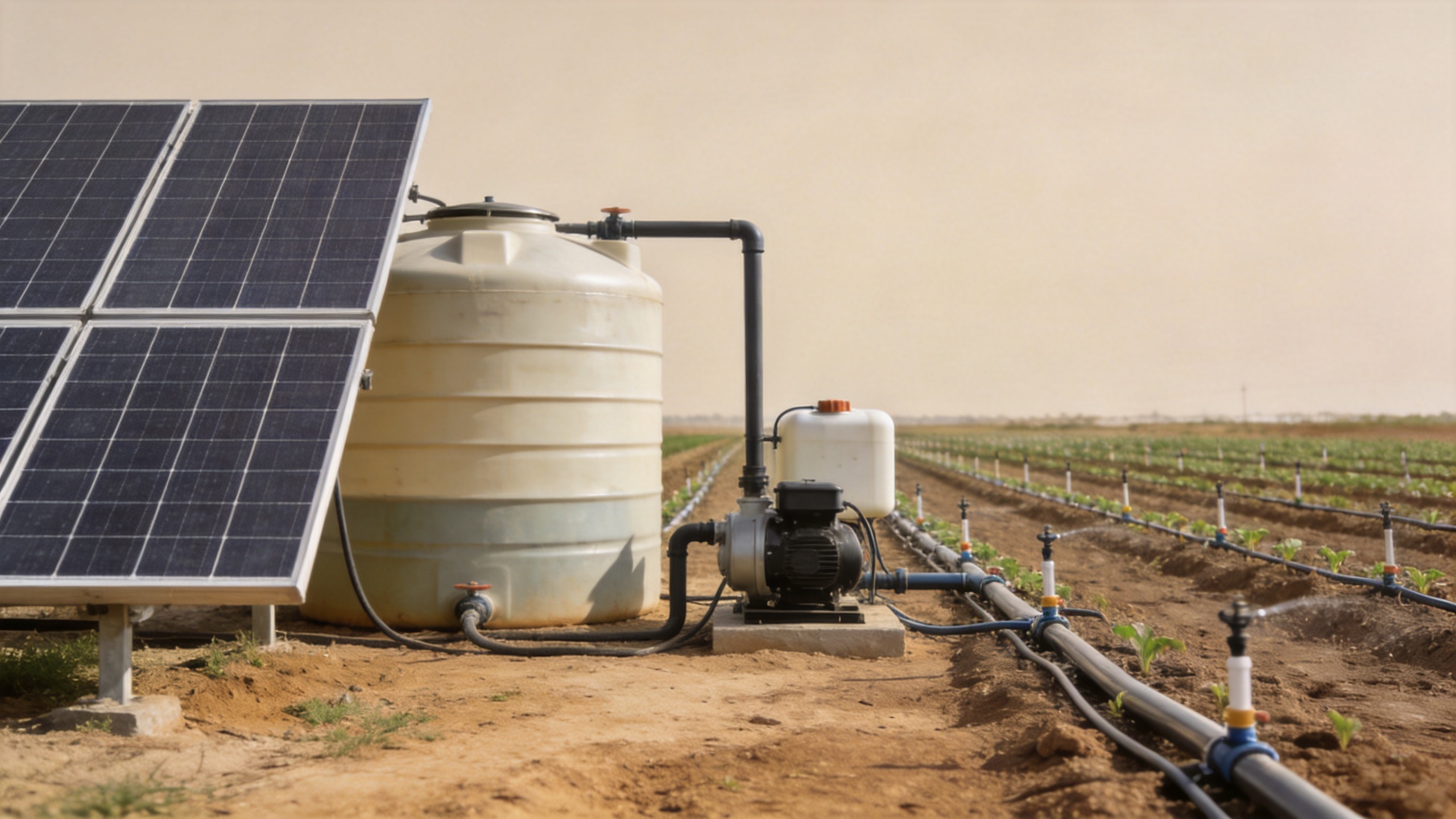
Ask the supplier to compare direct pumping to a storage tank with your irrigation schedule in mind. Water storage can shift pumping to sunny periods and allow later distribution through gravity or a booster arrangement. Battery storage may be relevant in some projects, but it adds components, replacement planning, and operating considerations. The right choice depends on the field layout, demand timing, water source, and service capability.
For solar irrigation systems, request a simple operating scenario for a clear day, a cloudy period, and the high-demand season. University-extension guidance on solar irrigation also highlights that energy or water storage may be needed when solar output declines in cloudy weather, winter, or at night. Treat this as a planning question, not a universal rule: local conditions and the agreed design matter.
6. Exactly what is included in the quotation?
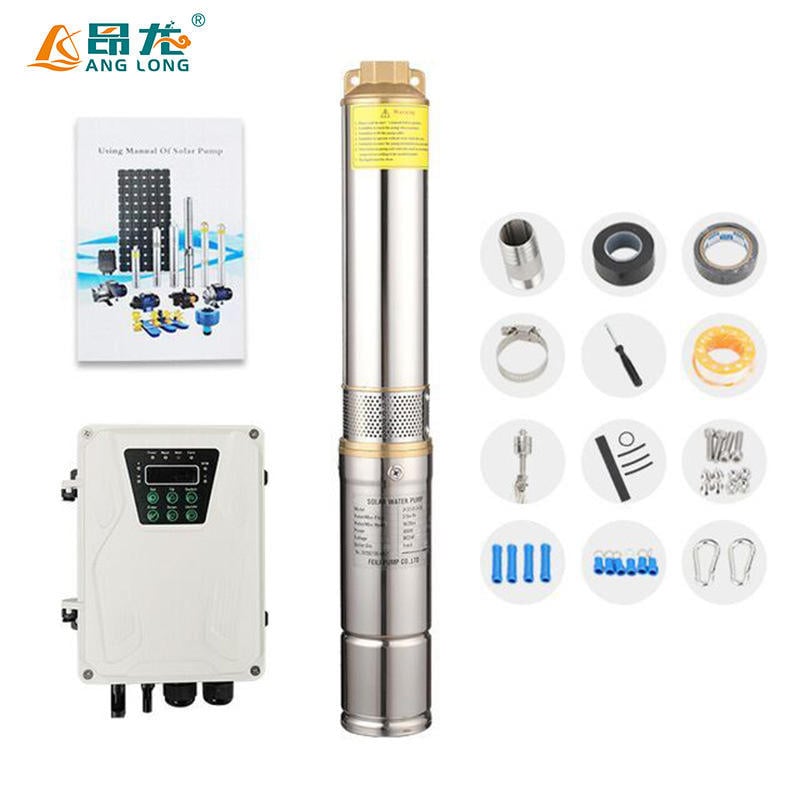
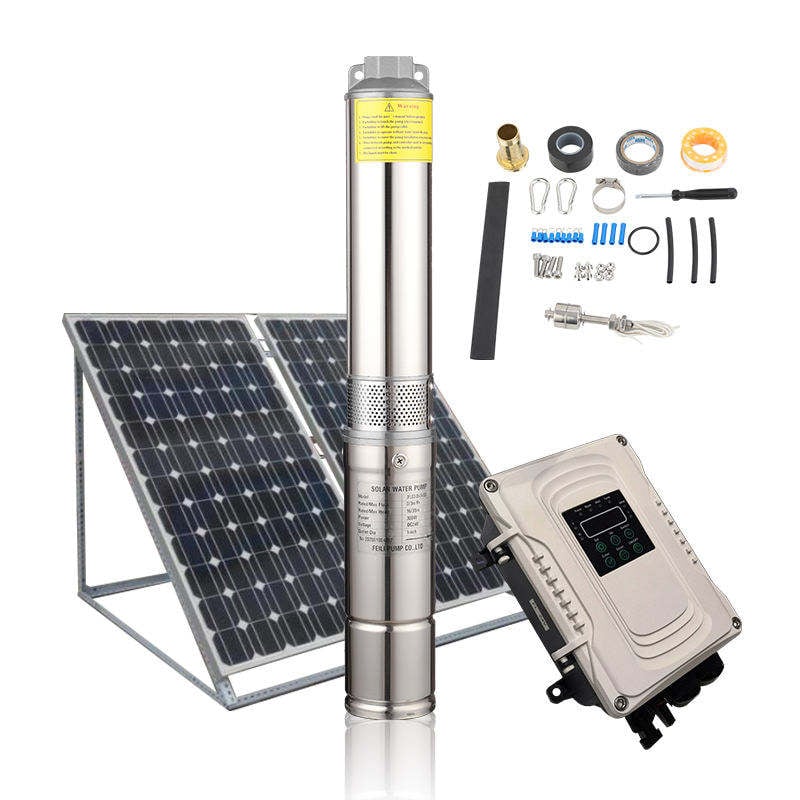
This is where procurement comparisons often become clearer. Ask for a line-by-line scope covering pump, motor, controller, solar panels, mounting structure, cables, connectors, pipework, filters, valves, sensors, tank, drip or sprinkler equipment, and installation tools. Then ask what is excluded: civil works, well work, local wiring, freight, taxes, commissioning, or field installation.
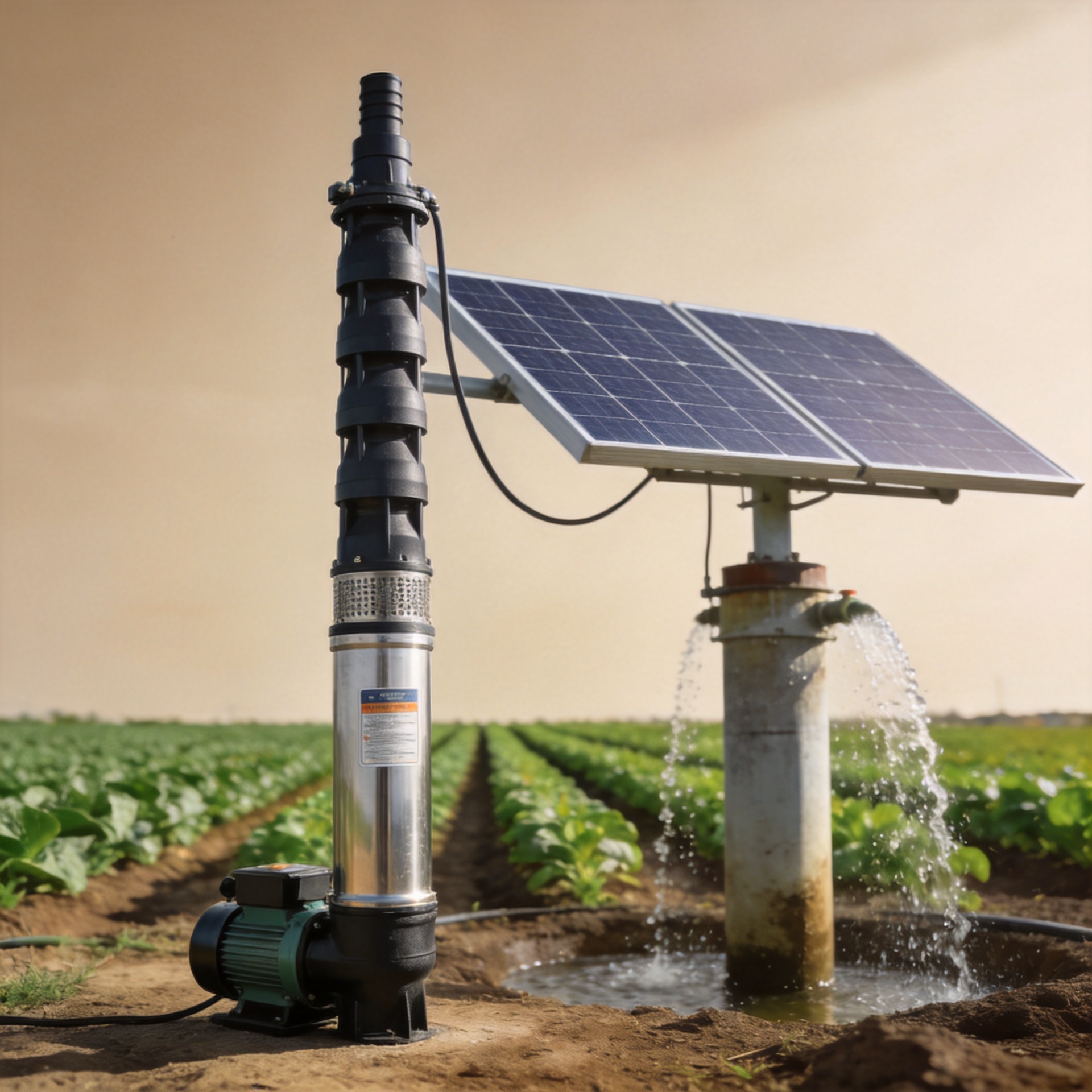
For a complete-package discussion, you can review a complete kit stainless steel deep well submersible solar water pump for agricultural irrigation as a product-page reference, while confirming the actual bill of materials for your project. For a battery-related option, the solar water pumps farm irrigation system DC solar submersible pump with battery page can support a follow-up discussion about configuration scope. Product titles alone do not confirm field suitability; the duty calculation still comes first.
7. Which specifications and documents can the supplier provide?
Before buying solar irrigation systems, request the pump curve, controller specifications, panel ratings, wiring diagram, parts list, installation manual, and recommended protection devices. Ask who is responsible for matching voltage, controller limits, cable length, and connector compatibility. It may be worth pausing here to confirm whether the quotation identifies an equivalent component policy if an original listed part is unavailable.
For distributors, also ask for packaging details, labels, product photographs, spare-parts codes, and technical documents that can be shared with downstream buyers. These questions make it easier to explain solar irrigation systems consistently and reduce ambiguity after shipment.
8. What after-sales support and spare-parts plan is available?
Ask what the warranty covers, what it excludes, how faults are diagnosed, and what evidence is required for a claim. Clarify availability of controllers, cables, impellers, seals, and other service items; ask whether part numbers and replacement procedures are supplied. A low purchase price is only one decision input. For solar irrigation systems, downtime during a crop cycle can be more consequential than a small initial price difference.
Finally, ask for the supplier’s pre-shipment checks, lead time, packing method, and the contact path for commissioning questions. The strongest supplier conversation is specific: it matches the water source, duty point, solar window, delivery scope, and service plan to the project rather than offering a one-size-fits-all answer.
A pre-purchase checklist for solar irrigation systems
- Water source details, seasonal level changes, and water-quality conditions
- Required daily volume, flow rate, irrigation method, and zone schedule
- Written TDH calculation and pump-curve operating point
- Solar-resource assumptions, panel location, and shading review
- Direct-pumping, water-storage, and battery-storage comparison
- Complete included/excluded scope and project responsibilities
- Technical documents, spare-parts list, warranty, and support process
Use this checklist to compare solar irrigation systems on verified inputs, not headline claims. If the source data and scope are clear, the procurement conversation becomes more efficient and the final configuration is easier to evaluate.