 EN
Solar Panels for Well Pumps: What to Consider in a System
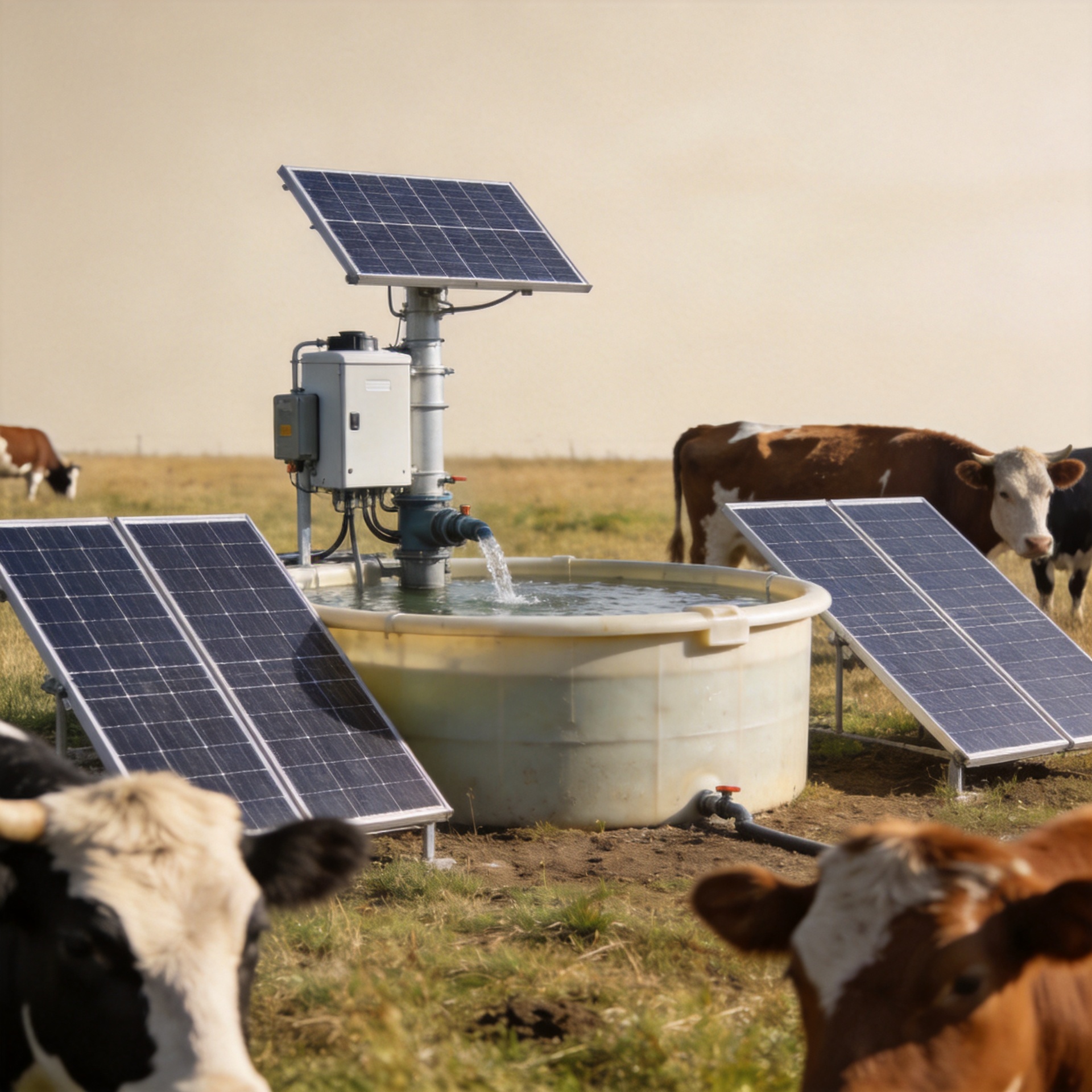
A deep-well solar pumping project is not a matter of attaching a few modules to a pump. The useful question is whether the solar panels for well pump system can deliver the required water volume at the required lift under the site’s real solar conditions. For irrigation, livestock watering, remote communities, and other off-grid water applications, the answer depends on the hydraulic duty point, electrical compatibility, and the way water is stored and distributed.
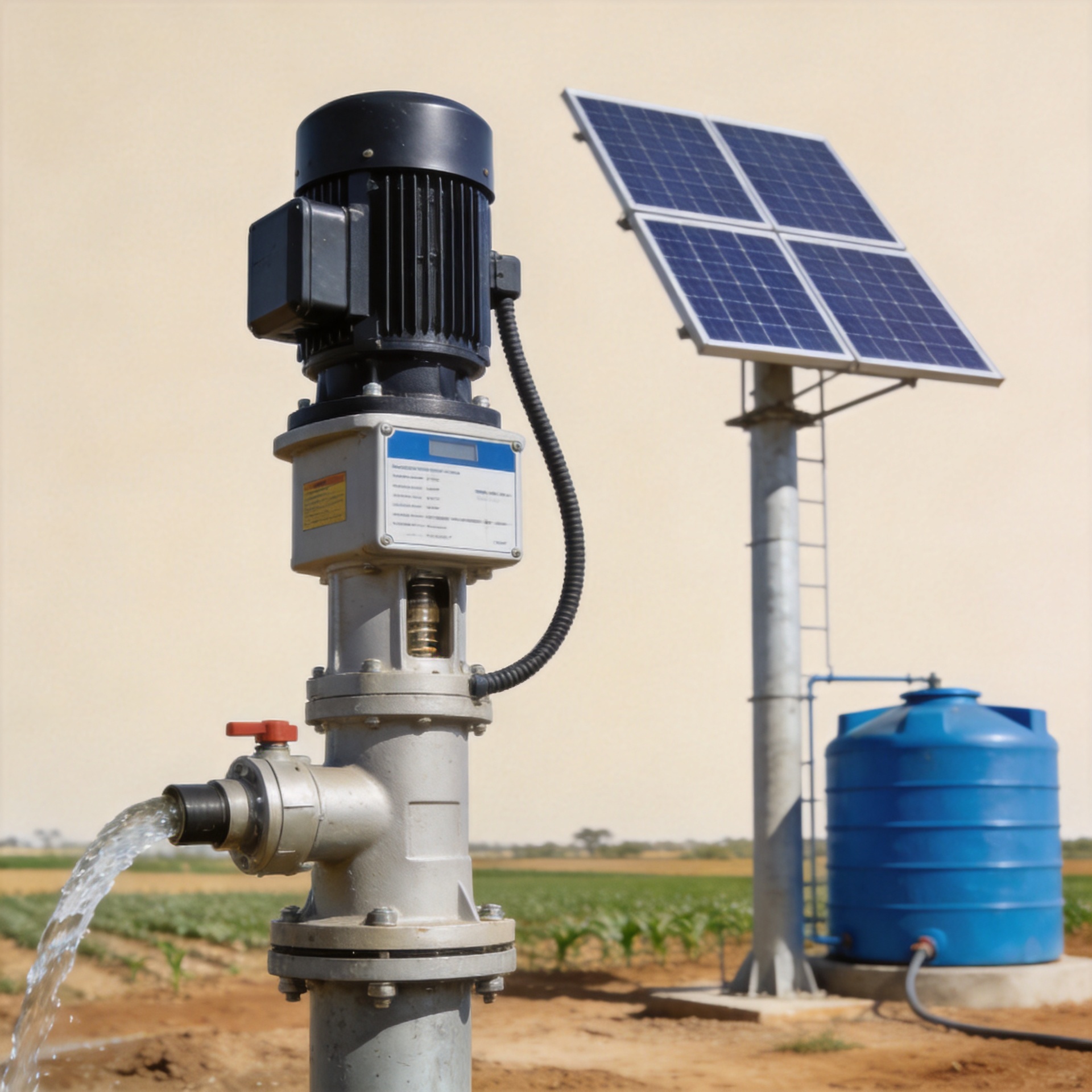
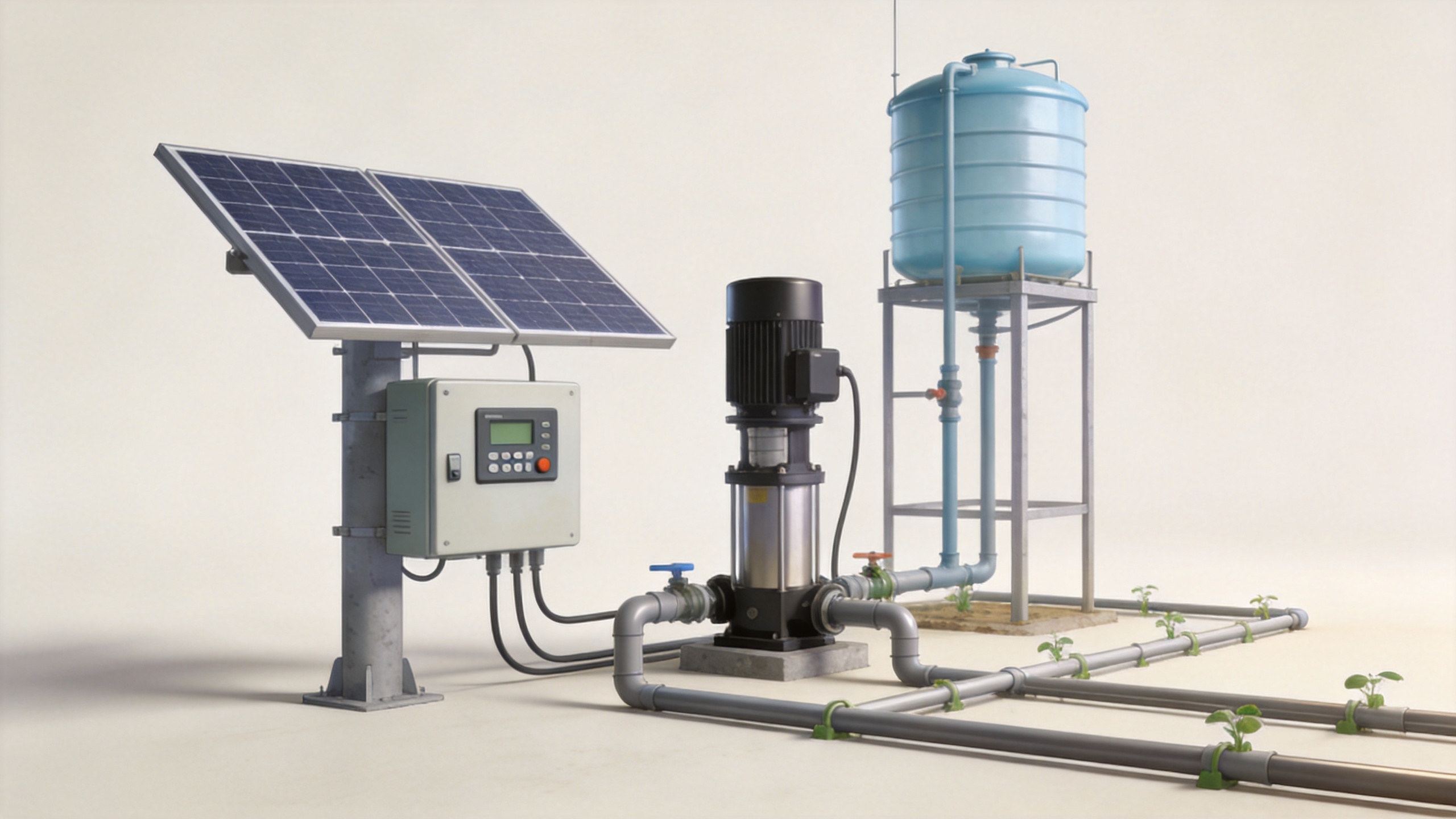
From an off-grid water-planning perspective, start with operating conditions rather than a panel count. A solar powered well can be a practical water-supply approach, but the system should be reviewed as one chain: water source, submersible pump, controller, PV array, cable, pipework, and storage.
Start with the water duty, not the solar array
Before sizing solar panels for well pump applications, define what the site actually needs. Record the daily water volume, the hours when water is needed, the required flow at the outlet, and whether demand changes by season. A farm may need a steady irrigation window; livestock watering may need a dependable tank level; a household application may have short but high-demand periods. These are different duty profiles even when the borehole is the same.
Then collect the well and delivery information. Static water level, pumping water level, pump setting depth, elevation to the tank or discharge point, pipe length, pipe diameter, fittings, and pressure requirements all affect total dynamic head. It may sound straightforward, but a deep well is not automatically a high-head duty point: the pumped water level and the pipe route can change the calculation materially.
- Daily volume: how many litres or cubic metres are required over a normal day?
- Peak demand: does water need to be available at a particular time?
- Lift: what is the vertical rise from the pumping water level to the final outlet?
- Friction: how much resistance is added by pipe length, fittings, filters, and valves?
This information identifies the pump duty point. It also prevents a common mistake: choosing a PV array from a pump’s headline wattage while ignoring the head and flow that the pump must achieve.
Match the pump, controller, and panel voltage window
The next task is electrical compatibility. Solar panels for well pump systems must be selected around the accepted input range and control method of the specific pump package. Some solar submersible systems use a dedicated controller that converts and manages the PV input; others use a DC pump with defined operating limits. Do not assume that a panel’s nominal wattage or a familiar string layout will work with every controller.
Check the controller documentation for its permitted DC input voltage, maximum current, recommended PV capacity, start-up behavior, and protection functions. A public product listing can show a wide DC input range for one model, but that is only an example—not a universal specification. The selected equipment data sheet is the authority.
Build the array so its voltage stays within the controller’s allowed range under expected temperature conditions, and so the available power supports the pump’s intended duty point. Series connections raise voltage; parallel connections raise available current. The right arrangement is therefore a controller-and-site decision, not a generic rule such as “use a certain number of panels.”
Use solar resource and shading as design inputs
A solar array is only as useful as the sunlight it receives. Review local solar resource, seasonal variation, array orientation, tilt, soiling, and shadows from trees, buildings, terrain, or future construction. A few shaded cells can reduce output disproportionately in some configurations, so a clear installation area deserves the same attention as the equipment list.
For a solar powered well, it is often more useful to compare water available through a day than to focus only on midday peak power. If irrigation must occur early or late, or if dry-season water demand rises when solar conditions differ, the design needs a realistic operating schedule. A modestly conservative array may be appropriate in some locations, but the margin should be based on verified irradiation data and the manufacturer’s pump curves rather than a blanket percentage.
Choose water storage deliberately
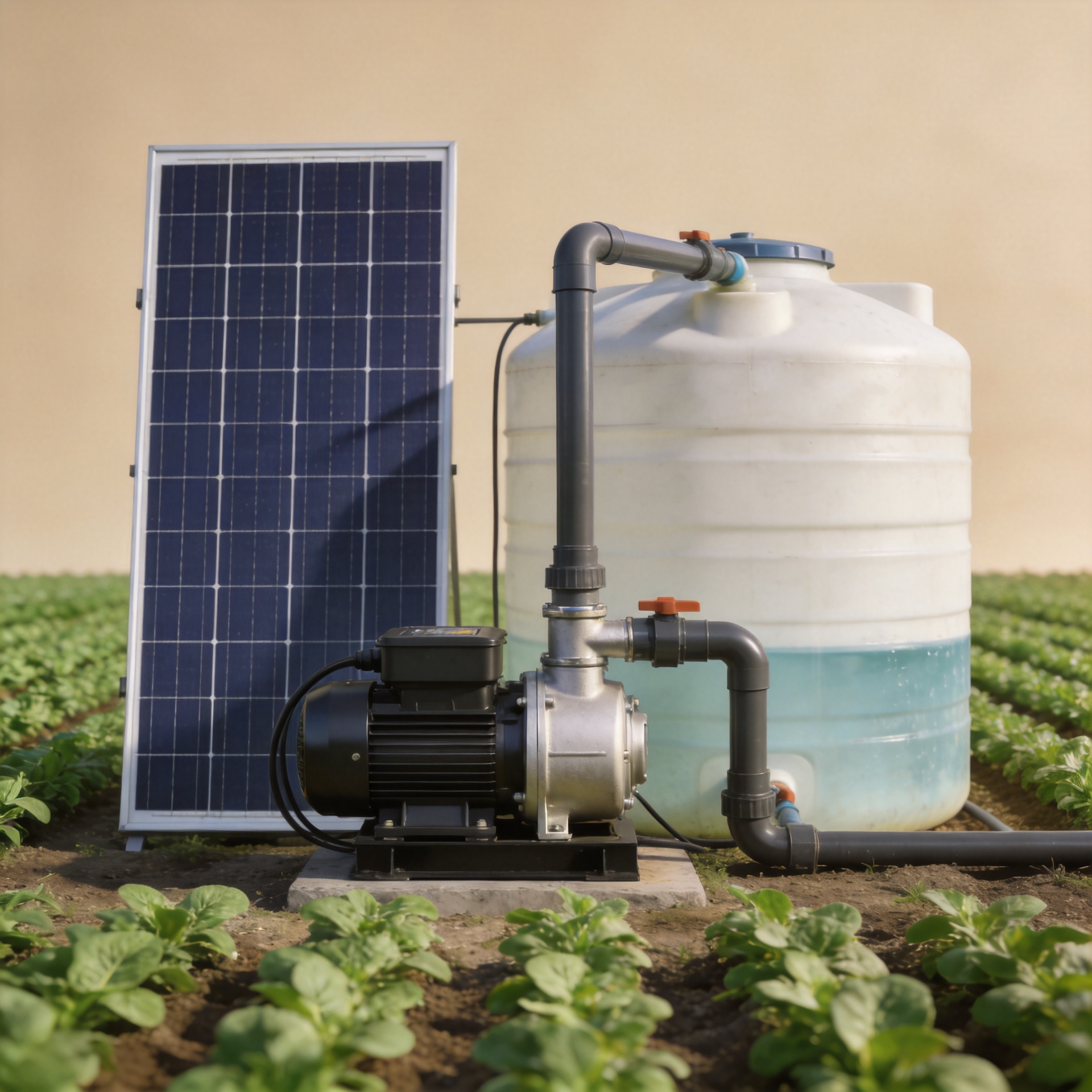
Water storage can be one of the most effective ways to manage the mismatch between sunshine and water use. Instead of using electrical batteries solely to run the pump after dark, many projects pump when solar energy is available and store water in an elevated or ground-level tank for later use. That approach can simplify the energy side of the system, although tank location, elevation, hygiene requirements, and downstream pressure still need review.
Storage does not eliminate the need for correct solar panels for well pump sizing. It changes the operating strategy: the pump can prioritize replenishing the tank during useful solar hours, while the distribution system serves demand later. Consider tank capacity, float switches or level sensors, overflow management, dry-run protection, and whether the pump should stop when the tank is full.
Review the complete installation path
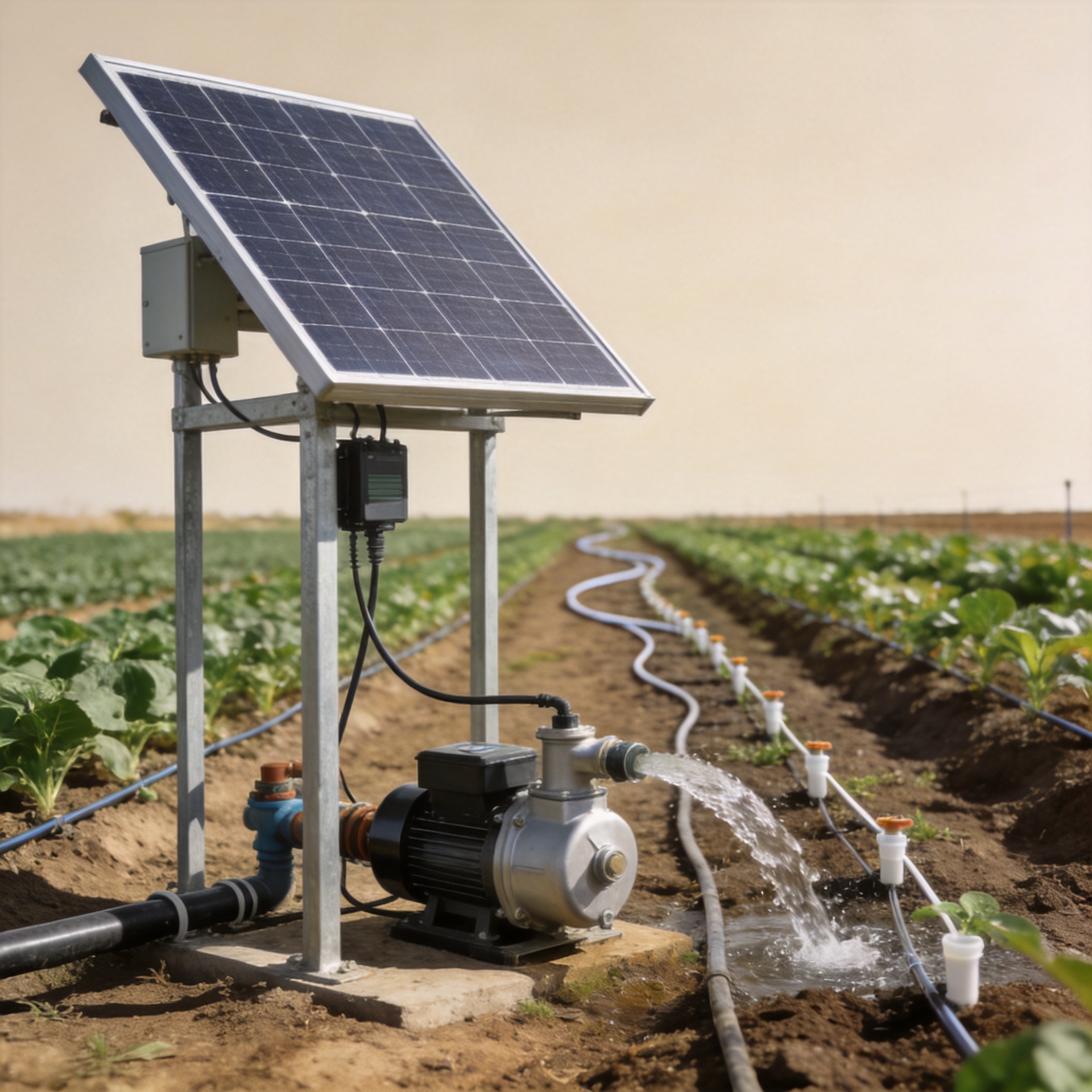
Deep-well installations have interfaces that are easy to overlook: drop cable length, cable sizing, splice quality, pipe support, check valves, water-level sensing, grounding, surge protection, and controller location. The solar panels for well pump array also needs a mounting method suited to wind, corrosion exposure, maintenance access, and site security. Local electrical and water-installation rules should be checked before commissioning.
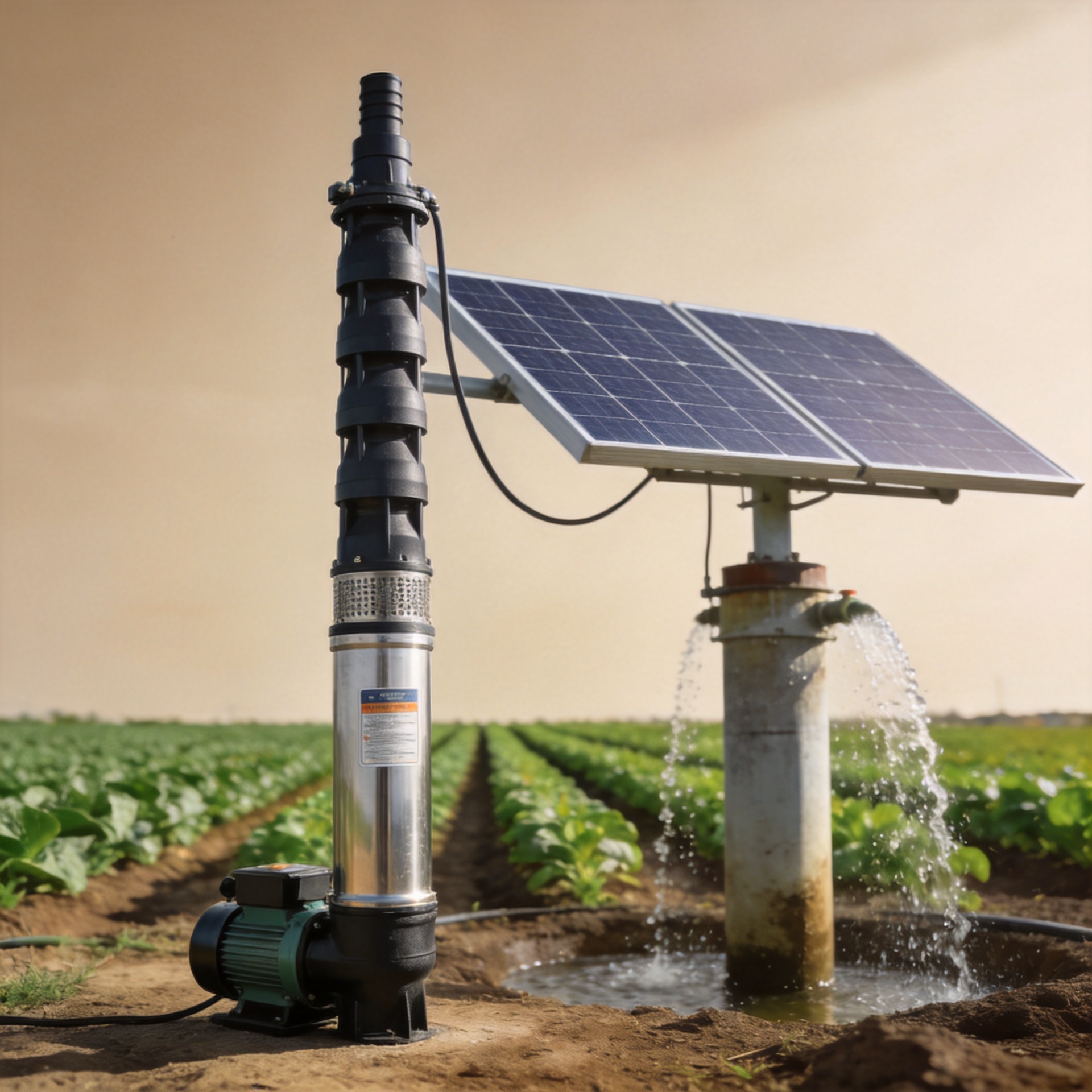
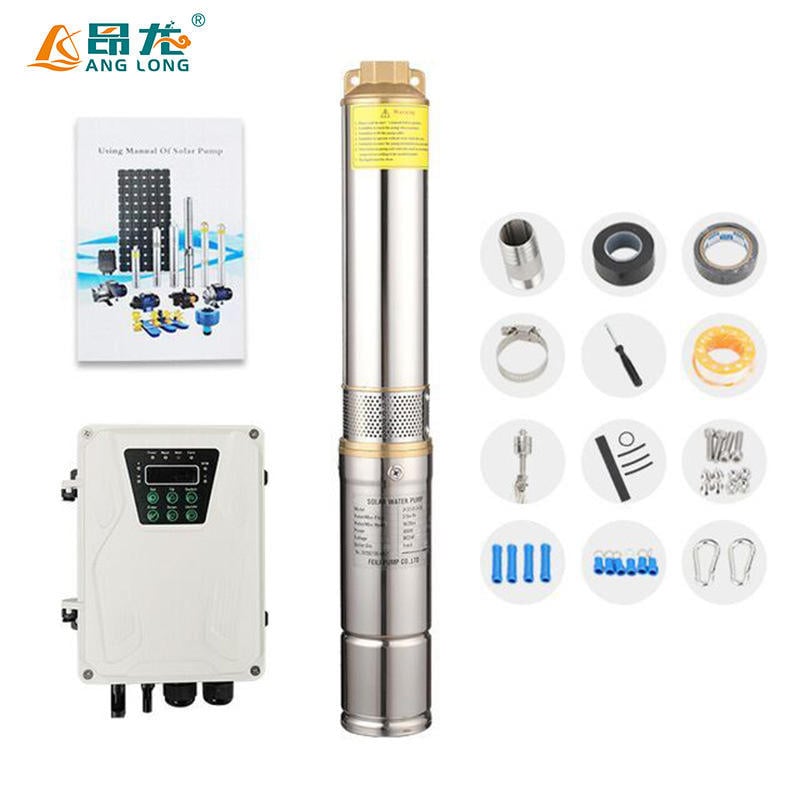
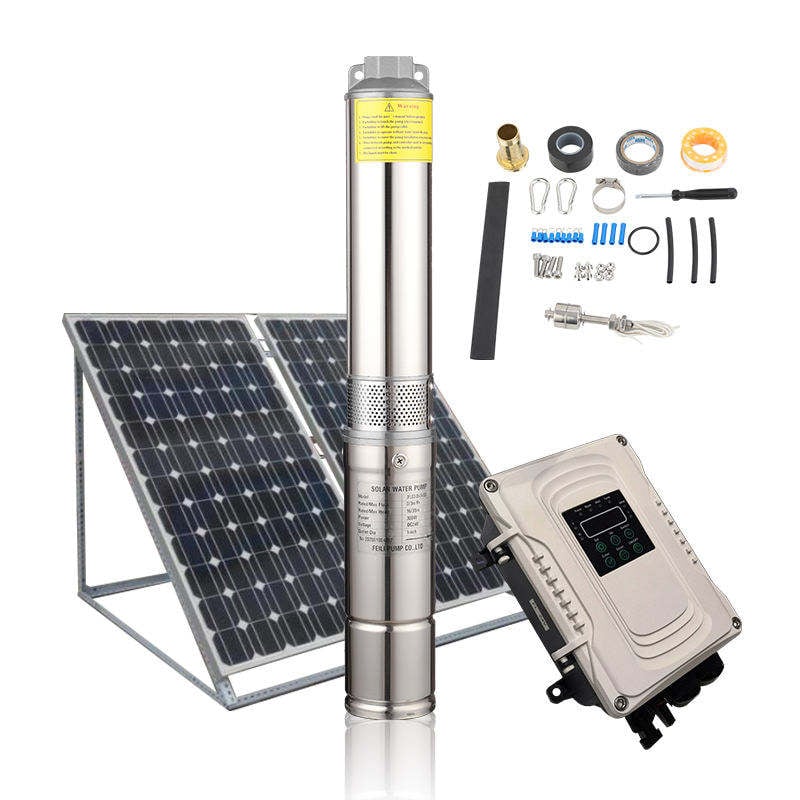
A complete kit can reduce compatibility questions because it groups key components, but it does not replace a site review. For buyers comparing a packaged option, the Complete Kit Stainless Steel Deep Well Submersible Solar Water Pump For Agricultural Irrigation provides a relevant starting point for discussing system scope. Confirm the final pump curve, controller limits, cable lengths, panel configuration, and installation conditions before placing an order.
A practical buyer checklist
| Area | Questions to confirm |
|---|---|
| Water source | What are the static and pumping water levels, bore diameter, and expected yield? |
| Water demand | What daily volume, peak flow, irrigation schedule, or tank refill target is required? |
| Hydraulics | What total dynamic head results after elevation, pipe friction, and outlet requirements? |
| PV array | What solar resource, orientation, shading condition, and seasonal operating window apply? |
| Controls | What voltage/current range, protections, sensors, and stop conditions does the controller require? |
| Storage and distribution | Will a tank, pressure arrangement, valves, and pipe network support the intended water-use pattern? |
Make the panel decision after the system decision
The most reliable way to choose solar panels for well pump applications is to work from water duty and total dynamic head toward the pump curve, controller window, and PV array. That order keeps flow, lift, sunlight, and protection functions connected. It also makes supplier quotations easier to compare because every option can be evaluated against the same site inputs.
For an off-grid project, prepare a concise request with borehole details, water demand, delivery height, pipe route, location, seasonal conditions, and preferred storage arrangement. With those inputs, a solar powered well discussion becomes a configuration review rather than a guess based on panel quantity alone.