 EN
Solar Water Pump for Agriculture: Benefits for Farm Irrigation
For farms where electricity is limited, expensive, or unreliable, a solar water pump for agriculture can turn available sunlight into a more predictable water-moving routine. Instead of treating the pump as an isolated purchase, it helps to view it as part of a solar powered irrigation system: the water source, panels, controller, pipework, storage, and field schedule all need to work together.
From an irrigation-selection perspective, the useful question is not simply “Is solar cheaper?” It is whether a solar water pump for agriculture can deliver the required water volume at the required head during the hours your crops need it. When that match is made carefully, solar pumping can reduce dependence on delivered fuel or long grid extensions while supporting irrigation, livestock watering, and farm storage.
Why farms are considering solar water pumping
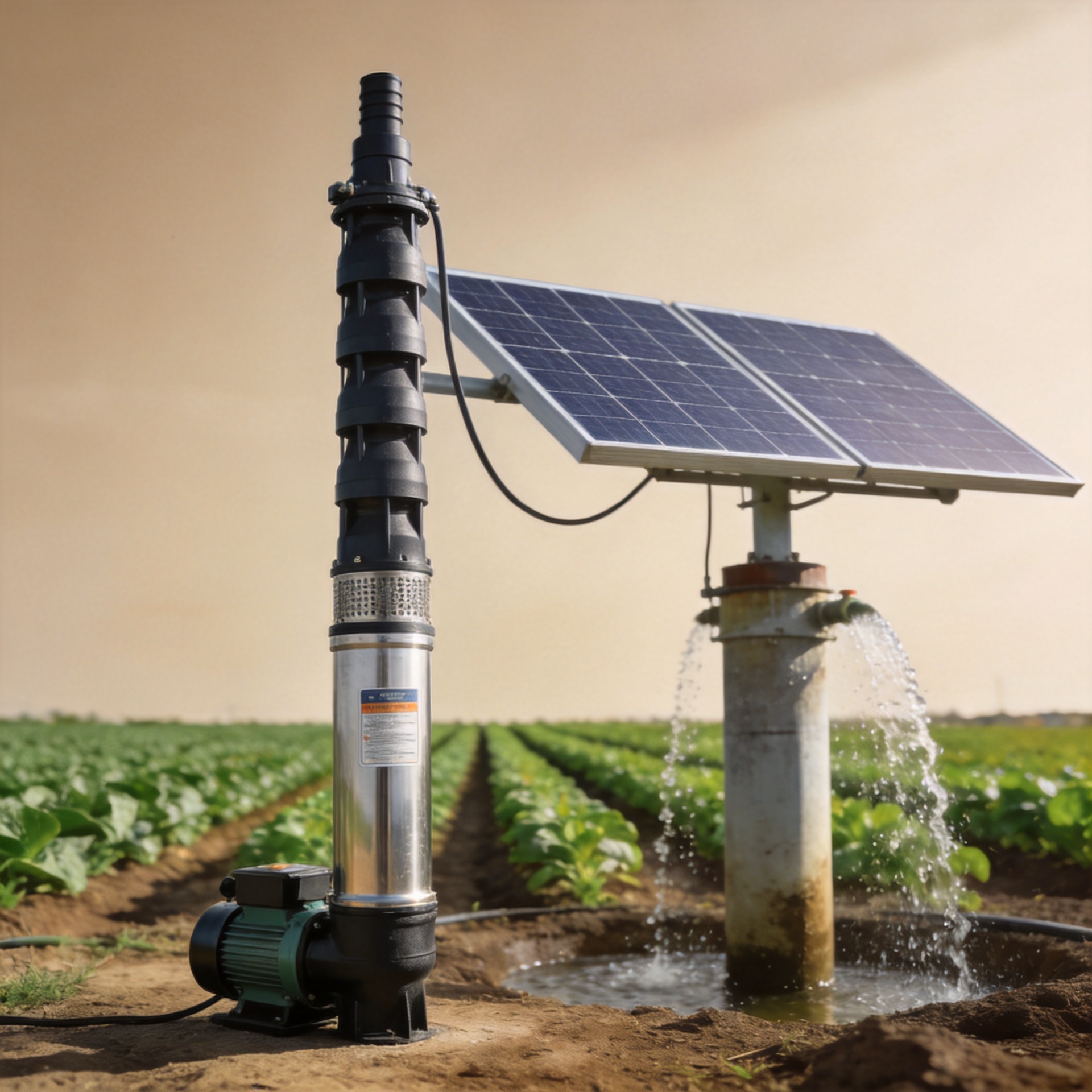
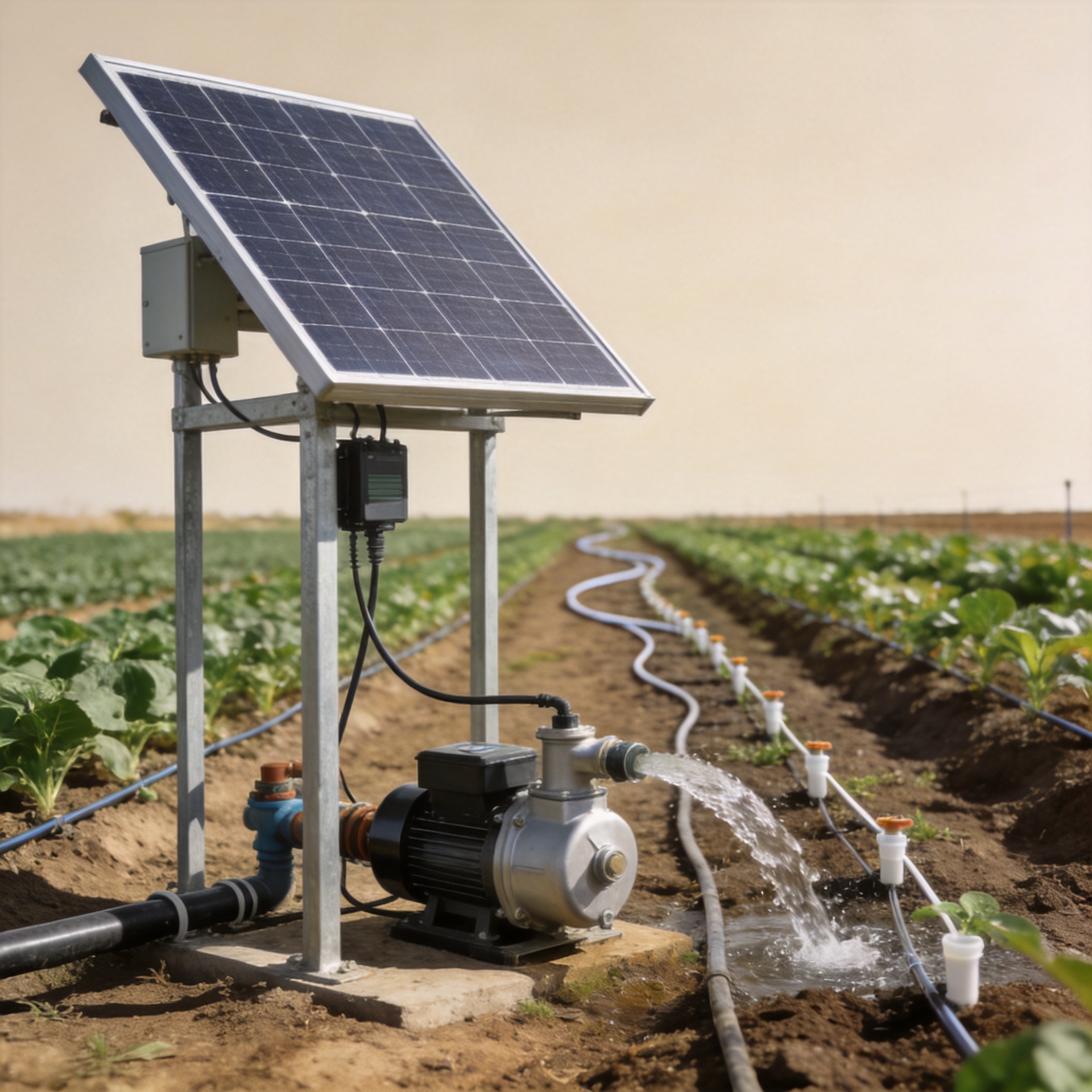
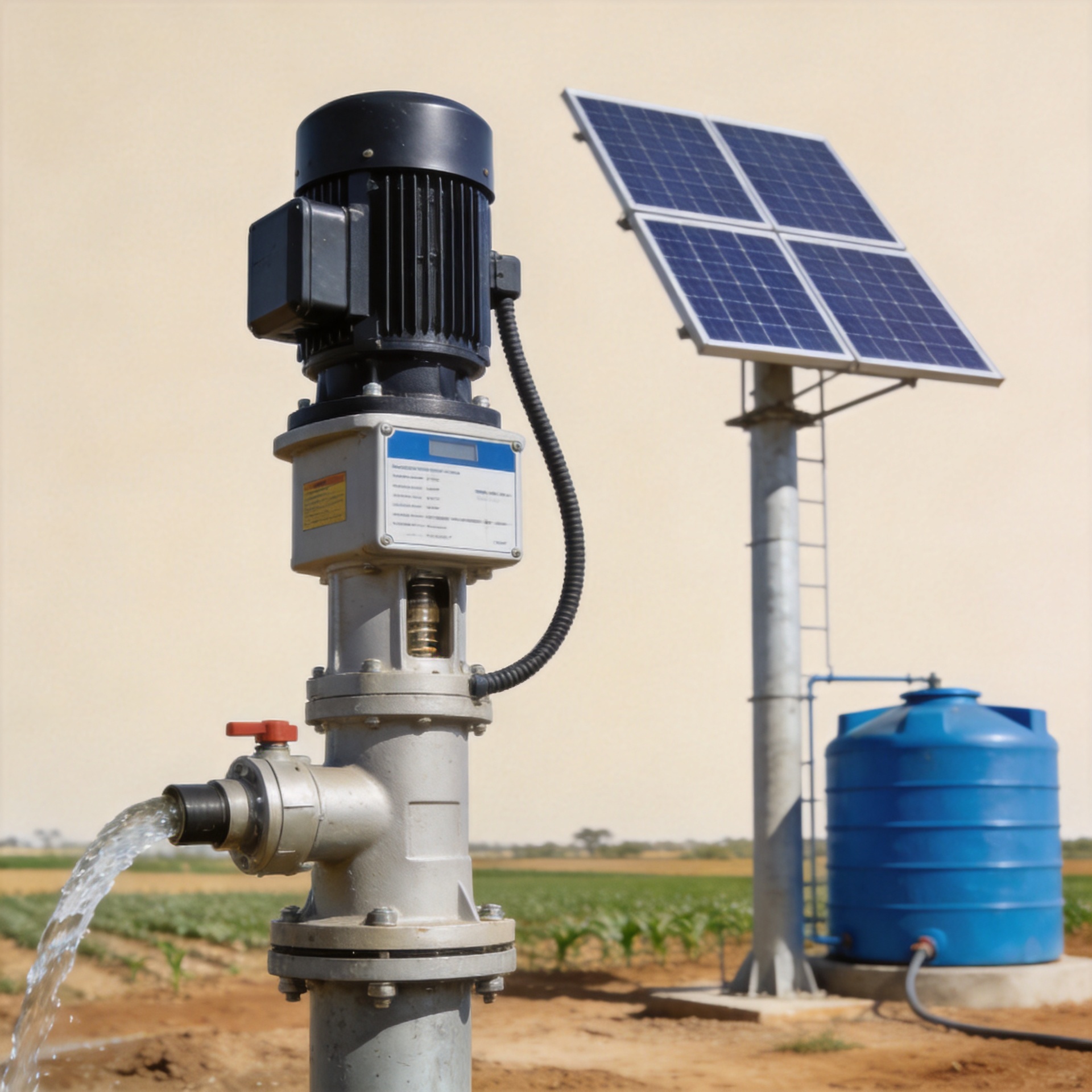
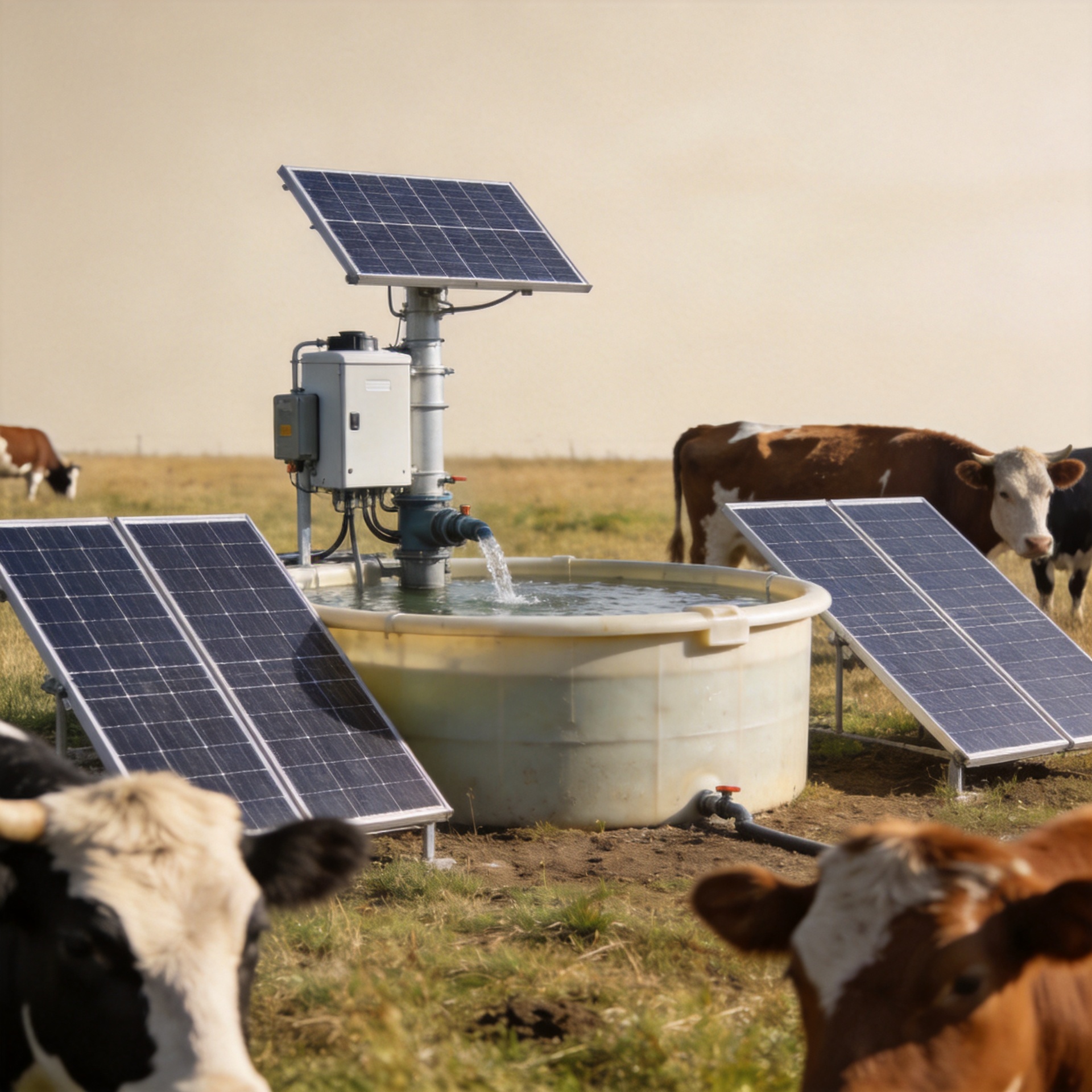
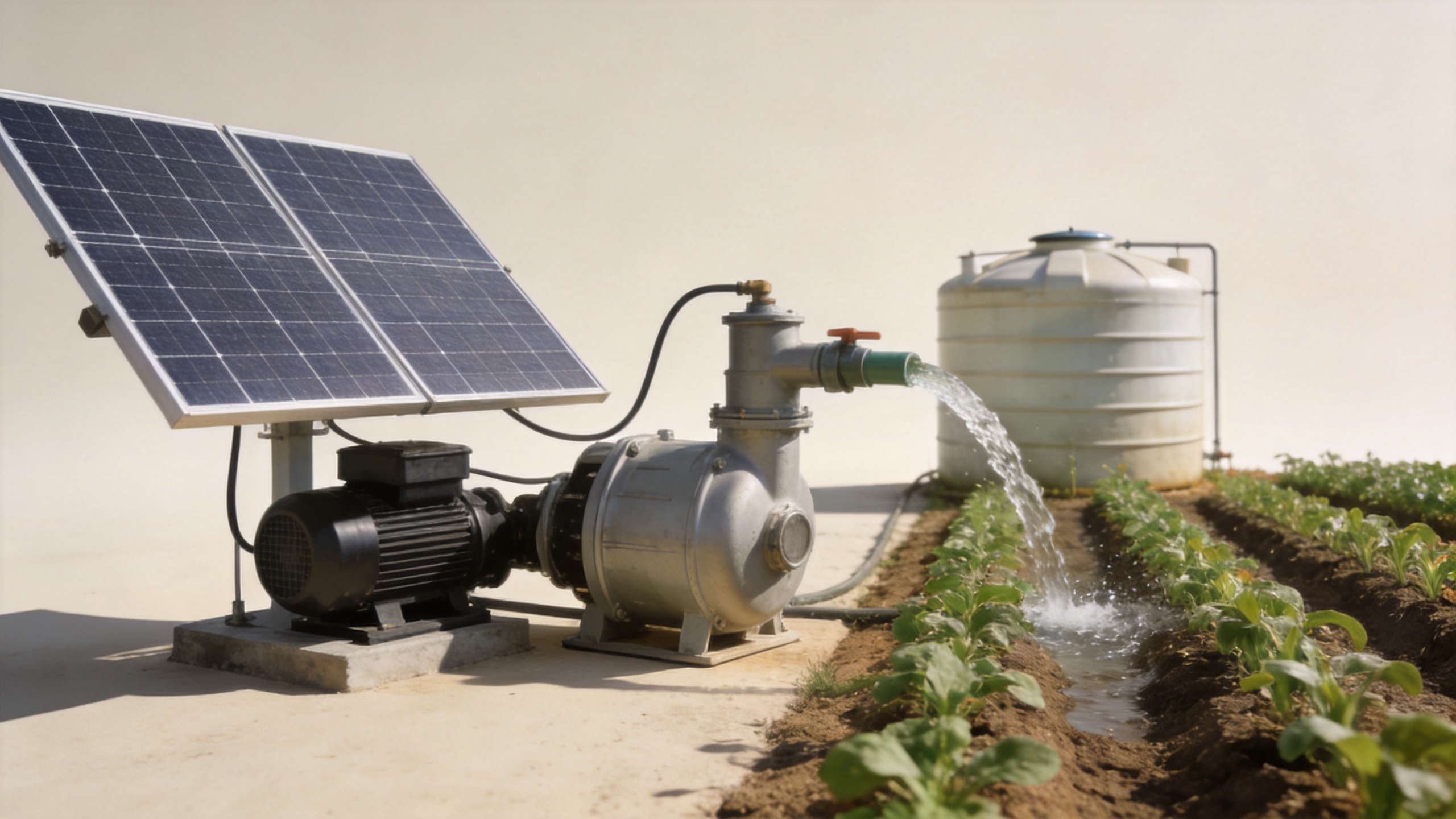
A solar water pump for agriculture uses photovoltaic panels to supply electricity to a DC pump directly or through a controller. Water may be lifted from a borehole, pond, canal, or storage tank and then sent to a field line, header tank, trough, or drip system. The basic idea is straightforward, but its value is most noticeable where diesel logistics, fuel-price volatility, or grid access make conventional pumping difficult.
Because the energy source is produced on-site during daylight, a solar powered irrigation system can make routine water delivery less dependent on refueling. It can also suit dispersed plots and remote livestock points where extending power lines would add cost and maintenance complexity. That does not mean sunlight alone guarantees irrigation performance. Daily solar availability changes with weather and season, so water storage and irrigation timing remain central design choices.
Environmental benefits can be meaningful as well. FAO has reported that solar-powered irrigation systems can potentially reduce greenhouse-gas emissions per unit of pumping energy by more than 95% compared with diesel or fossil-fuel-powered grid alternatives. The actual result depends on the displaced energy source and operating conditions, so it is more useful as a planning direction than as a promise for every farm.
How a solar powered irrigation system works
Most systems combine five practical elements:
- Solar array: panels capture sunlight and produce DC electricity.
- Pump: a surface, submersible, or transfer pump moves water from the available source.
- Controller: matches available solar power to the pump and can provide protection or operating control.
- Pipework and delivery points: carry water to tanks, troughs, sprinklers, or drip lines.
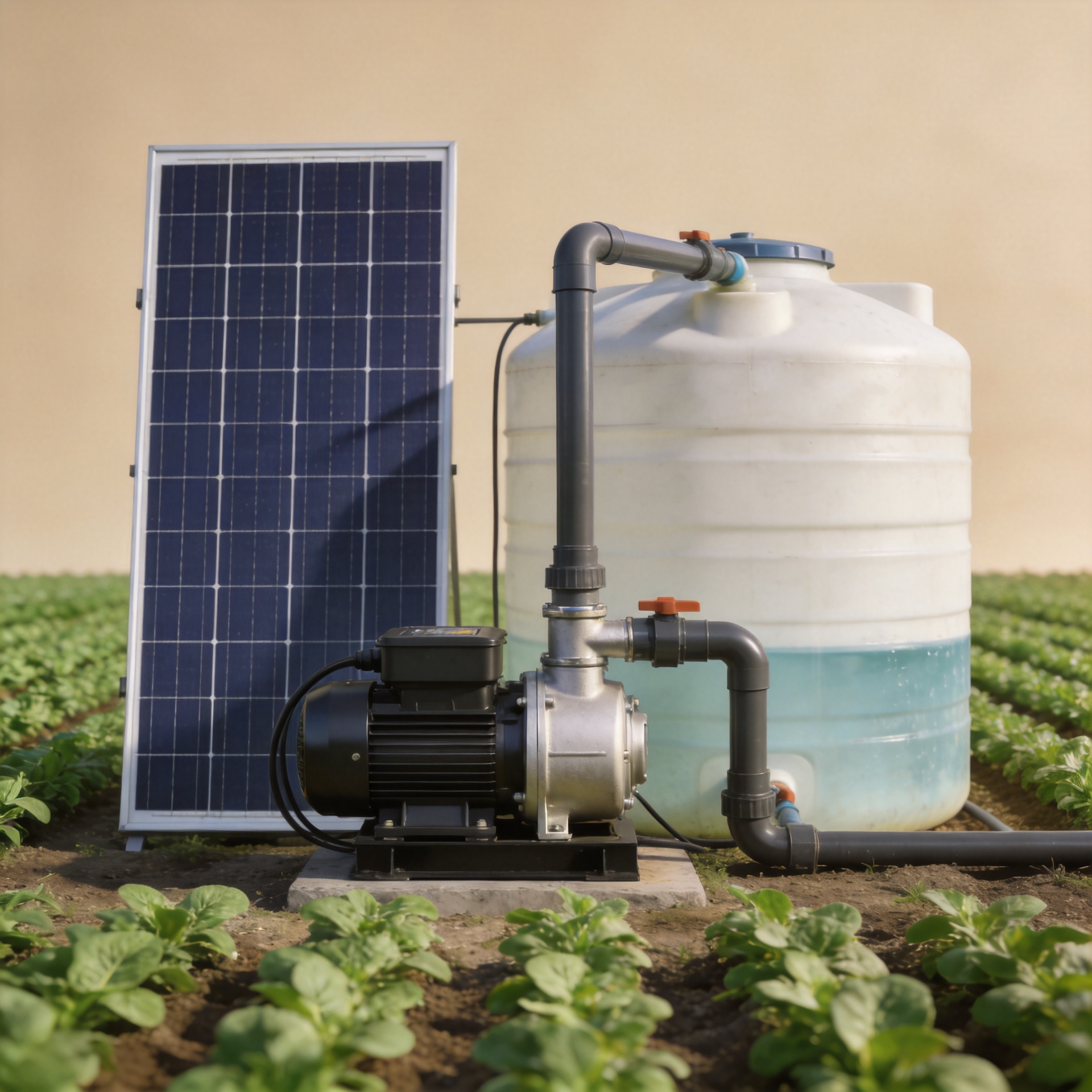
- Storage: a tank or reservoir stores water when sunshine is strong so irrigation can continue outside peak solar hours.
Many buyers look first at panel wattage. More accurately, start with the water endpoint: how much water is needed, where it must arrive, and when it is needed. Then check the water source, vertical lift, pipe length, friction loss, and desired flow rate. A solar water pump for agriculture is a system match, not a one-number comparison.
Key benefits for farm irrigation
Lower dependence on fuel and grid availability
When a farm currently relies on diesel pumping, a solar water pump for agriculture can reduce recurring fuel handling during daylight operation. For off-grid farms, it can create a practical pumping option without waiting for grid construction. The savings case should include the full system—panels, pump, mounting, controller, pipework, storage, service access, and any backup—not just the pump price.
Useful fit for distributed water points
A solar powered irrigation system can be placed close to a well, pond, or remote tank. That can simplify water delivery to small blocks, orchard zones, or livestock areas. In a field with elevation changes, however, confirm actual total dynamic head rather than relying on a nominal flow figure. Pipe friction and seasonal water-level changes can materially affect output.
Water storage can improve irrigation flexibility
Sunlight and crop-water demand do not necessarily peak at the same time. A raised tank or reservoir can serve as a hydraulic battery: pump water when solar output is available, then distribute it according to the irrigation schedule. This approach can reduce the pressure to oversize a pump solely to cover short demand windows.
Potentially lower operational emissions
Replacing diesel-powered pumping can reduce on-farm fuel combustion. Still, water stewardship belongs in the benefit discussion. FAO also warns that low marginal energy cost can encourage excessive groundwater extraction if there is no water-management plan. Flow monitoring, irrigation scheduling, storage, and source-level checks help a solar water pump for agriculture support productive use without treating water as unlimited.
Where solar water pumps are most suitable
Solar pumping is often a strong candidate when the farm has usable sunshine, a reliable water source, and enough daytime flexibility to pump into storage. Typical applications include drip-irrigation supply, tank filling, orchard watering, vegetable plots, pond transfer, and livestock watering. It may be less straightforward where water demand is concentrated at night, head is very high, shading is severe, or the water source changes sharply by season. Those situations do not rule out solar; they usually call for a more deliberate storage, hybrid-power, or pump-sizing plan.
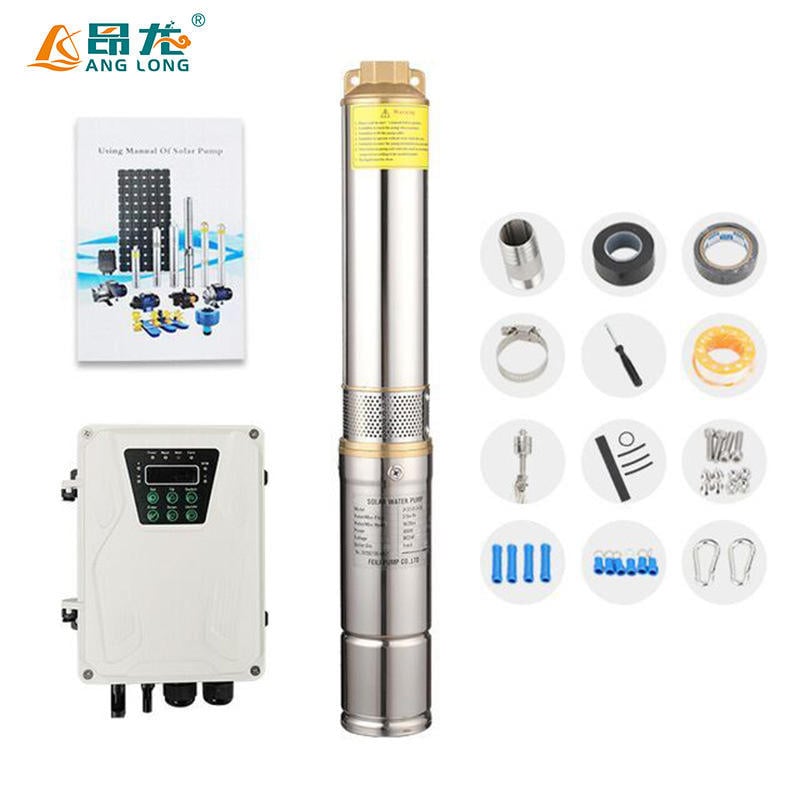
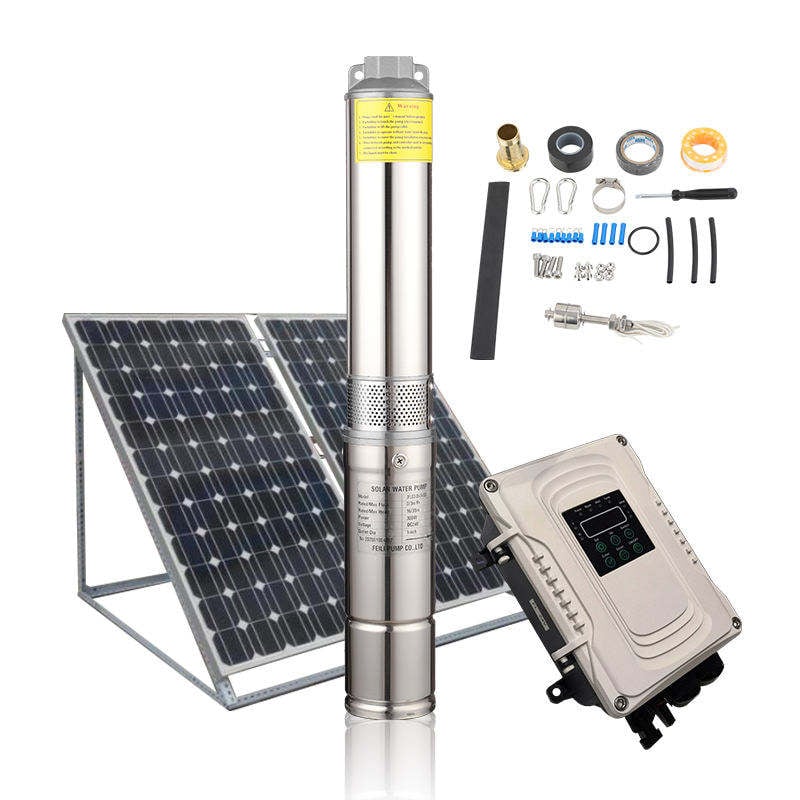
For farms assessing a packaged option, review the confirmed product page for the Solar Water Pumps Farm Irrigation System DC Solar Submersible Pump With Battery and compare its documented configuration with the farm’s source and delivery requirements before making a selection.
A practical checklist before choosing a solar water pump for agriculture
- Define the daily water requirement. Estimate crop, livestock, or storage demand by day and by season.
- Confirm the water source. Record static water level, drawdown, water quality, and seasonal variation.
- Calculate total dynamic head. Include vertical lift, tank height, pipe distance, fittings, filters, and pressure needs.
- Plan for solar variability. Review local sun hours, shading, and the months when irrigation demand is highest.
- Use storage deliberately. Size tanks or reservoirs to buffer cloudy periods and match delivery timing.
- Match the irrigation method. Drip, sprinkler, gravity-fed, and tank-filled systems have different pressure and flow expectations.
- Set water-management controls. Use schedules, valves, meters, or level controls to avoid unnecessary pumping.
- Check serviceability. Choose an installation layout that allows cleaning, inspection, and access to critical components.
Making the benefits last
The strongest solar powered irrigation system is not necessarily the largest one. It is the one sized around a verified water source, realistic head, daily demand, available sunshine, and a workable storage plan. Start with the irrigation endpoint, then work backward through the pipe run and source to the pump and solar array.
For many farms, that process turns a solar water pump for agriculture from a promising idea into a dependable part of day-to-day water management. It can reduce exposure to fuel logistics, support remote irrigation, and align pumping with renewable energy—while keeping water use, maintenance, and seasonal conditions visible in the decision.