 EN
What Is a Pressure Booster Pump and When Is It Needed?
A pressure booster pump raises water pressure when the available supply cannot deliver water reliably to the point of use. It is not simply a pump that “makes water stronger.” It is part of a water system that must be matched to the source, pipework, elevation, fixtures, and required flow. For property owners, installers, and wholesale buyers, understanding that difference helps prevent a common mistake: buying a larger pump before confirming what is actually causing the poor performance.
In everyday language, a water pressure booster moves water through the system with enough pressure to overcome losses in the line. It can support a single building, irrigation zone, process line, or storage-tank system. The right unit improves service where demand and supply are mismatched; the wrong unit can create noise, cycling, or pressure that the existing pipework cannot safely handle.
How a Pressure Booster Pump Works
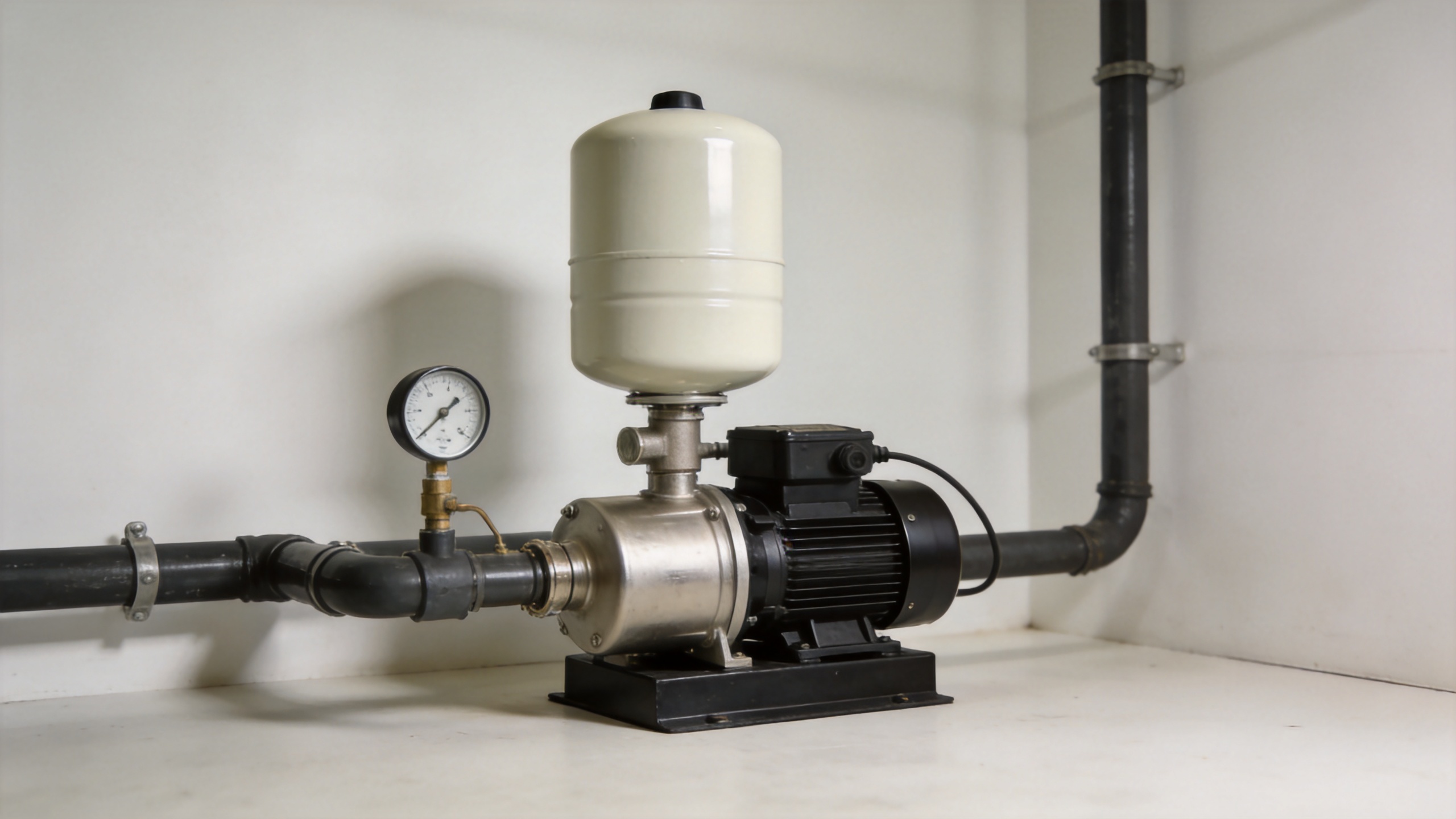
A pressure booster pump adds energy to water as it passes through the pump. The increased pressure helps the system move water upward, farther along a pipe run, or through several open outlets at the same time. Many packaged systems combine a pump with a pressure switch, controller, pressure tank, or variable-speed drive so the pump responds when demand changes.
Pressure and flow are related but not identical. Pressure is the force available to push water through the system; flow is the quantity of water delivered over time. A pressure booster pump must be selected to provide the required flow at the required pressure, rather than judged only by motor size. A system can show adequate pressure when no tap is open yet still provide weak flow when several outlets operate together.
When Is a Pressure Booster Pump Needed?
A booster is worth considering when low pressure is consistent, the water source is adequate, and the cause is not a simple restriction or fault. The following conditions are common:
- Multi-storey buildings: Water pressure naturally drops as water must be lifted to higher floors. A booster can help maintain usable pressure at upper fixtures when the supply and system design allow it.
- Long pipe runs: Friction increases as water travels through long lines, fittings, valves, and filters. This can reduce pressure at remote outlets, irrigation points, or equipment.
- Peak simultaneous demand: A system that works with one open outlet may struggle when several fixtures, zones, or users draw water together. A properly sized pressure booster pump can support the intended demand profile.
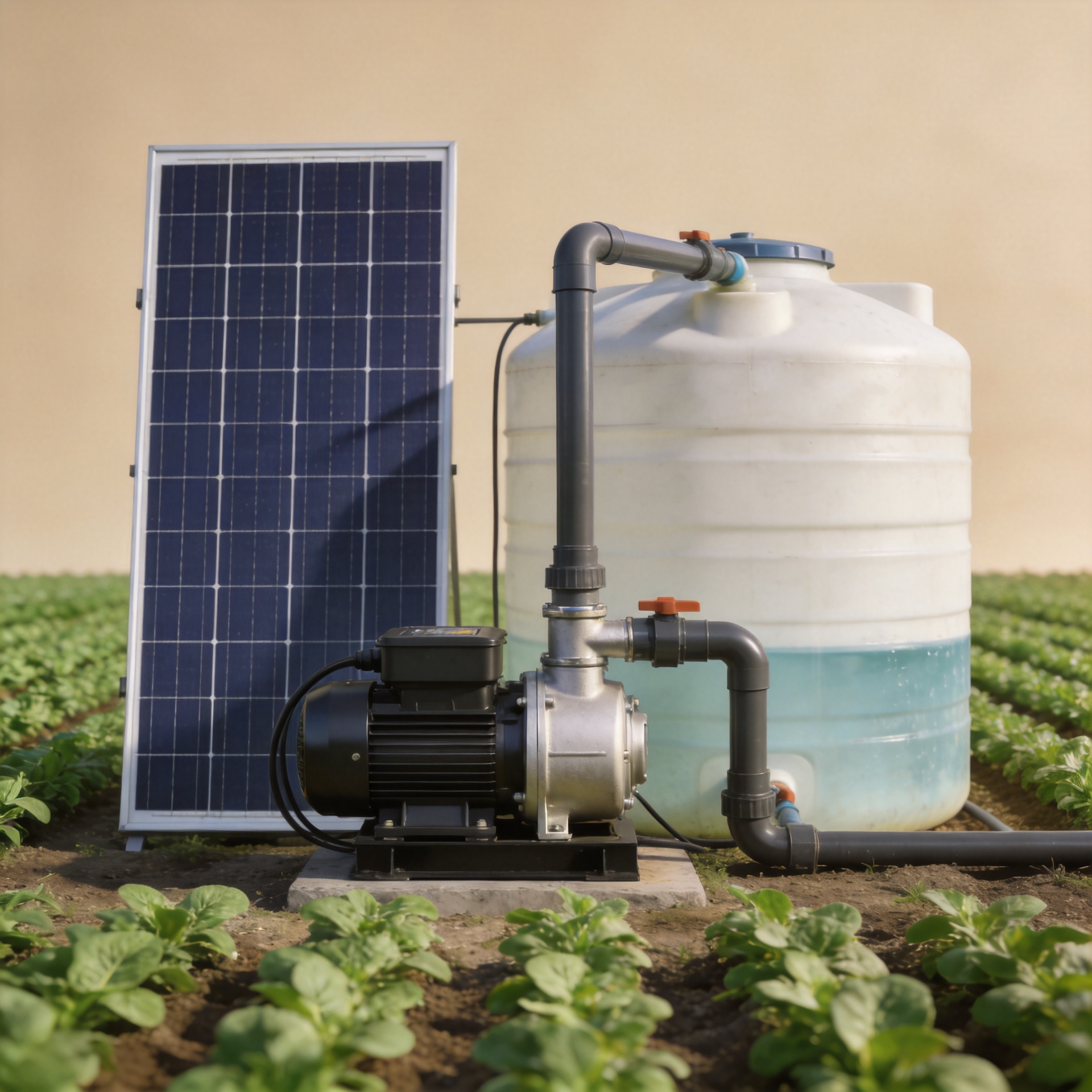
- Tank-fed water systems: A gravity tank may provide stable storage but insufficient pressure for downstream distribution. A water pressure booster can raise pressure after the tank while a suitable control system limits unnecessary cycling.
- Process or equipment requirements: Some equipment needs a stable inlet condition. In these cases, selection should be based on the equipment requirement and the complete hydraulic system—not a generic pressure target.
Check These Issues Before You Add a Booster
Not every low-pressure complaint needs a pump. Start with a simple diagnosis. Check whether the main isolation valve is fully open, filters are clean, strainers are blocked, pipework is undersized, or a leak is present. Compare static pressure with pressure while water is flowing. A large drop under demand can point to a restricted line, weak source supply, or a demand level beyond the system’s design.
Also confirm the inlet side. A pressure booster pump cannot compensate indefinitely for an unreliable or insufficient water source. If the pump does not receive adequate inlet flow, it may operate noisily, lose performance, or face cavitation risk. Local plumbing rules and water-supply requirements may also limit how a pump can connect to a municipal supply, so installers should verify the applicable requirements before proceeding.
How to Choose the Right Pressure Booster Pump
For an awareness-stage decision, focus first on the information that defines the duty point. A supplier or installer will normally need these answers:
- What is the water source? Identify whether water comes from a tank, well, municipal line, or another source, and establish the available inlet condition.
- How much flow is needed? List the outlets, irrigation zones, or equipment that may run at the same time. Design around realistic peak use rather than an isolated tap.
- What pressure is required at the farthest point? Consider the fixture or equipment requirement, then allow for elevation and friction losses between the pump and that point.
- What does the pipe system look like? Pipe diameter, length, fittings, filters, and valves all affect resistance. A pump cannot be selected accurately without this context.
- How will the pump be controlled? A pressure tank, pressure switch, or variable-speed controller can change cycling behavior and user experience. The control method should fit the demand pattern.
For projects that need a compact inline arrangement, product details should be reviewed against the final duty point, material compatibility, electrical supply, and installation environment. One example of a product category to review is an inline hot water booster pump and jockey pump; its published product information should be confirmed against the system design before purchase or installation.
Common Applications for a Water Pressure Booster
A water pressure booster may be used in residential and commercial distribution systems, small buildings with roof tanks, irrigation networks, and selected industrial water-transfer duties. The application changes the selection priorities. A building system may prioritize quiet operation and stable response to changing demand. An irrigation system may prioritize the flow needed by zones and the pressure required by emitters. A process application may prioritize stable inlet conditions and material compatibility.
That is why “high pressure” alone is not a complete specification. The practical question is whether the pressure booster pump can deliver the required combination of flow and pressure in the actual system, with suitable inlet conditions and controls.
A Practical Decision Rule
Consider a pressure booster pump after you have verified that the water source is adequate, restrictions are addressed, and the pressure shortfall occurs under real demand. Then gather the flow requirement, desired outlet pressure, elevation difference, pipe details, and electrical conditions. This creates a clearer basis for selecting a system and discussing it with a pump supplier.
When the problem is a blocked filter, a partly closed valve, a leak, or an undersized line, correcting that issue may be more effective than adding a pump. When the system is fundamentally short of pressure because of elevation, line losses, or simultaneous demand, a correctly specified water pressure booster can provide a more reliable solution.